How Daly City Microclimate Homes Shape Daily Living
Wondering why one Daly City home feels bright and calm while another just a few blocks away feels cooler, foggier, or windier? You are not imagining it. Daly City’s location between the Pacific side and the Bay side, along with its wide elevation range, creates real microclimate differences that can shape your comfort, maintenance needs, and even how you use your outdoor space. If you are buying, selling, or simply trying to understand how climate affects daily life here, this guide will help you know what to look for. Let’s dive in.
Daly City’s geography does a lot of the work. The city stretches from the Pacific Ocean side toward San Francisco Bay and rises from sea level up to 780 feet. That mix of coastline, hills, and changing exposure means weather conditions can shift noticeably from one area to another.
Marine air also plays a big role. NOAA explains that cool coastal air can move inland and linger when a temperature inversion is in place. In everyday terms, that means fog, wind, and temperature can vary quickly depending on where a home sits and how protected or exposed it is.
Daly City is generally mild overall. The city lists an average high of 72°F, an average low of 54°F, and average annual rainfall of 19.77 inches. So while this is not a place defined by extreme heat, it is a place where fog, breeze, and moisture can have an outsized effect on home life.
A home’s location within Daly City can affect how it feels from morning to evening. Homes closer to the coast or on more exposed lots are more likely to experience cooler daytime temperatures, stronger wind, and more fog. Homes on higher or more sheltered ground may get earlier sun and feel warmer sooner.
That difference shows up in your routine. You may find that one home needs a light jacket in the morning while another feels comfortable with the windows open by midday. Even within the same property, some rooms may stay cooler longer depending on their orientation and exposure.
Sunlight matters too. A south- or west-facing room may warm up faster than a shaded room facing a different direction. When you tour homes in Daly City, it helps to notice not just square footage and finishes, but how the home actually feels in real time.
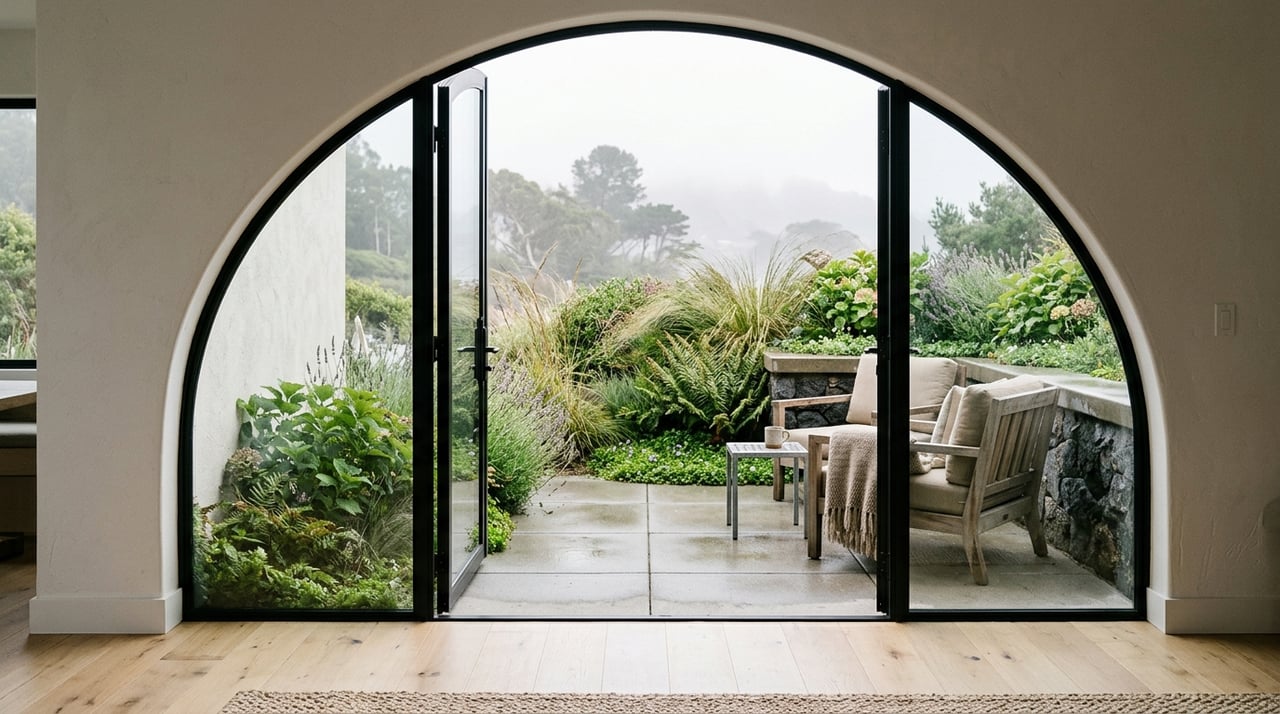
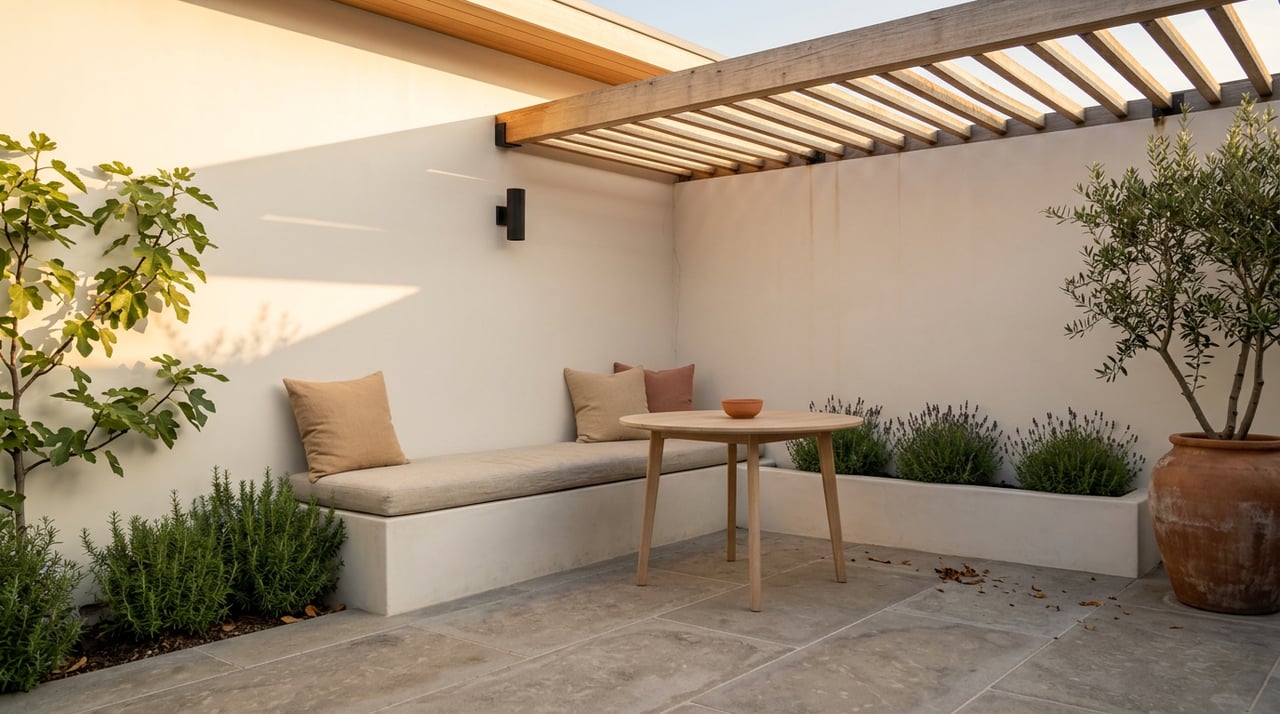
Outdoor space in Daly City often works best when it is designed around wind protection and sun access. In a foggy coastal climate, a patio that catches afternoon light and blocks wind can feel much more usable than a larger yard with little shelter.
Daly City’s own tree guidance describes the area as having a foggy climate. That is a helpful reminder that outdoor planning here is often less about cooling down from heat and more about making the most of available sun while managing moisture and breeze.
If you are comparing homes, pay attention to fences, hedges, walls, and the position of the house on the lot. These features can influence whether an outdoor area feels inviting for morning coffee, weekend meals, or quiet evening time.
Because Daly City’s climate is mild, many homes can stay comfortable without relying heavily on constant air conditioning. Features like efficient windows, insulation, shading, and good ventilation can go a long way in helping a home feel balanced through changing conditions.
Ventilation is especially important in a moderate coastal setting. The U.S. Department of Energy notes that ventilation can be one of the most energy-efficient ways to cool a home. In places like Daly City, comfort often comes from managing airflow, warmth, and moisture together rather than just lowering indoor temperature.
Heat pumps may also be relevant in this kind of climate. In moderate conditions, they can offer efficient heating and cooling, which can be useful in homes where dampness and temperature swings matter more than extreme summer heat.
In a coastal environment, moisture deserves close attention. Damp air, fog, and cooler surfaces can contribute to condensation around windows, walls, and pipes. That does not mean every home has a moisture issue, but it does mean you should pay attention to how a home handles it.
The EPA recommends keeping indoor humidity below 60 percent when possible and drying condensation quickly because moisture can support mold growth. For homeowners, that makes bathroom ventilation, kitchen exhaust, window condition, and general airflow worth watching.
When touring a property, look for clues of how well the home manages moisture. Windows that are in good condition, clean seals, functional ventilation, and well-maintained surfaces can all point to thoughtful upkeep.
Strong wind is not just a comfort issue in Daly City. The city’s building department notes that the area is subject to strong wind gusts, which makes roof condition and exterior durability especially important.
For buyers, this means looking carefully at the age and visible condition of the roof, flashing, seals, and other exterior materials. Wind-driven weather can put extra stress on exposed parts of a home over time, especially if maintenance has been deferred.
For sellers, this also matters before listing. If your home sits on a more exposed lot, taking care of visible exterior maintenance can help buyers feel more confident about the property.
Daly City falls within Climate Zone 4 under the California Energy Code, according to the city’s 2021 energy ordinance. California uses different climate zones because building efficiency standards vary by location. That means Daly City homes are evaluated in a mild coastal context, not the same way as homes in hotter inland areas.
For you, that helps explain why features like insulation, air sealing, quality windows, and effective ventilation may matter more than oversized cooling systems. In this market, energy performance is often about steady comfort and moisture control.
This can also shape how buyers compare homes. A home that feels stable and comfortable on a foggy morning may offer just as much practical value as one with flashy upgrades that do not match the local climate.
Microclimates can be easy to miss if you focus only on layout and finishes. Daly City buyers should take a few extra minutes to understand how a home responds to its setting.
Here are smart questions to ask while touring:
Window placement also matters. The Department of Energy notes that orientation, windbreaks, and landscaping can either direct wind into a home or help block it. In Daly City, those details can make a meaningful difference in day-to-day comfort.
If you are selling a home in Daly City, your microclimate is part of your property story. A bright, sheltered yard, good natural light, updated windows, or strong ventilation may stand out to buyers who understand local conditions.
It also helps to prepare for the questions thoughtful buyers are likely to ask. They may want to know which rooms get the best sun, whether the home tends to stay cool, and what has been done to maintain the roof or manage moisture.
This is where strong presentation and local expertise matter. A well-prepared listing can help buyers see how a home lives, not just how it looks in photos.
In a place like Daly City, broad weather averages only tell part of the story. The details that matter most often happen at the block level, or even at the lot level. That is why local insight can be so valuable when you are evaluating comfort, upkeep, and long-term fit.
Whether you are buying or selling, it helps to work with a team that understands how coastal conditions, elevation, and exposure show up in real homes. Those details can shape pricing, buyer perception, and your day-to-day experience after move-in.
If you are thinking about your next move in Daly City or anywhere on the Peninsula, Wang Tang Group offers thoughtful, full-service guidance to help you evaluate what matters most in a home and position your property with confidence.


Jenny and Carmen live with their families in the Peninsula and are trusted by hundreds of clients, having successfully closed countless transactions across San Mateo, San Francisco, Santa Clara, and Alameda counties. From property upgrades, inspections, and strategic marketing to finding the best lenders, they guide clients through every step of the real estate journey.

Wang Tang Group
Address
1440 CHAPIN AVE STE 200
BURLINGAME, CA 94010
Jenny Wang | CA DRE# 02063767
Carmen Tang | CA DRE# 01974969