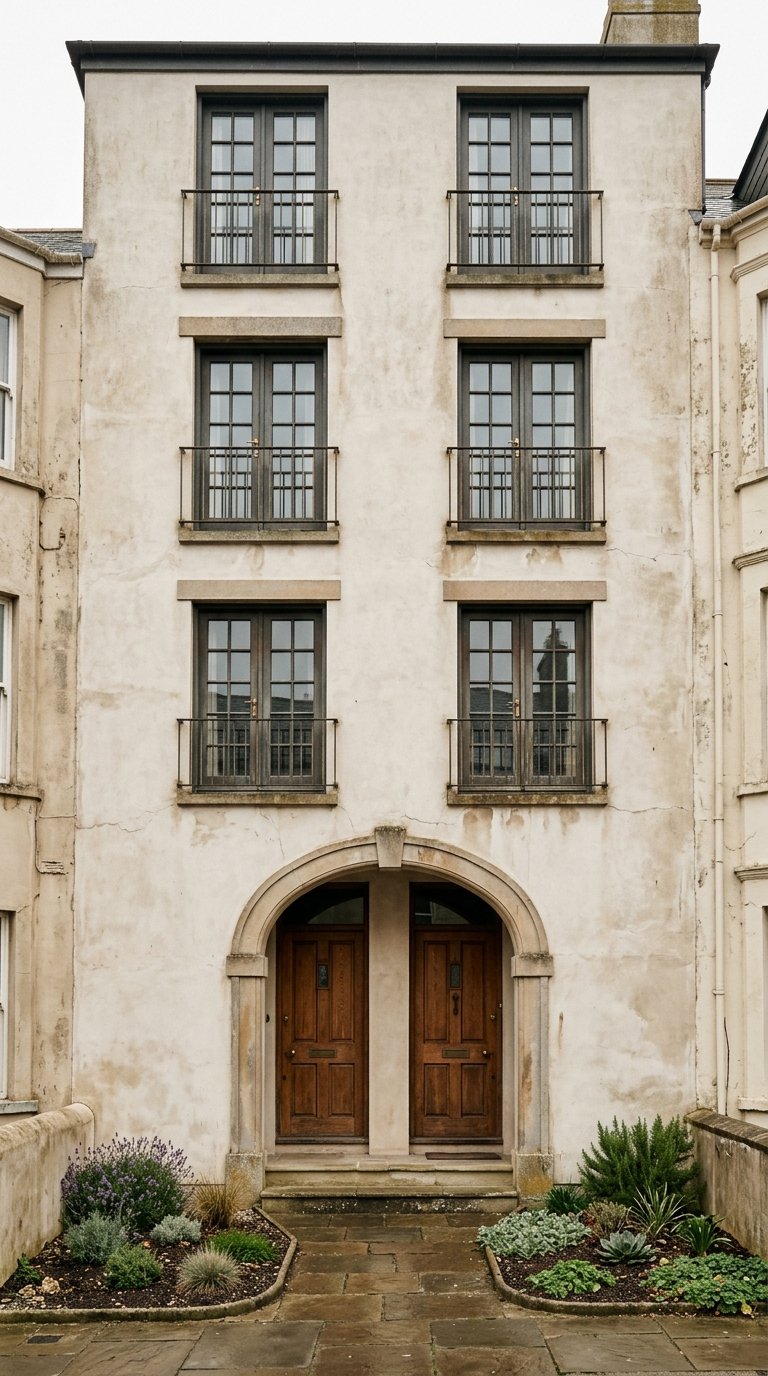
Key Steps for Selling a Tenant-Occupied Home in Daly City
Selling a tenant-occupied home in Daly City can feel like a balancing act. You want to protect your timeline and sale price, but you also need to respect your tenant’s rights and keep the transaction moving smoothly. The good news is that with the right planning, you can avoid common mistakes, reduce friction, and position your property well in a fast-moving market. Let’s dive in.
When you sell a tenant-occupied home in Daly City, the sale itself does not automatically end the tenancy. In California, a fixed-term lease usually continues through the end of the lease term, and a periodic tenancy can only be ended under the rules that apply to that property and tenancy.
That is why tenant-occupied sales are often more about coordination than speed. Before you set expectations around showings, move-out timing, or closing, you need a clear picture of the lease, the property type, and whether state tenant protections apply.
One of the biggest mistakes sellers make is assuming a buyer can automatically receive the home vacant. Under California’s Tenant Protection Act, selling the property is not, by itself, a legal reason to end a tenancy.
If you want vacant possession, treat that as a separate legal issue from the sale. Certain no-fault termination reasons may apply in some situations, such as owner move-in, substantial remodel, withdrawal from the rental market, or compliance with a law or government order, and those no-fault terminations also trigger relocation assistance.
There is also a narrow sale-related path for certain non-assisted periodic tenancies. If the owner has a contract to sell to a natural person who intends to live in the unit for at least one year, and the required escrow and notice conditions are met, a 30-day notice may be used. That is a specific timing rule, not a general right to remove a tenant because the home is being sold.
For many sellers, the practical takeaway is simple: do not promise a vacancy date until you have reviewed the facts carefully.
In Daly City, timing matters for another reason. For residential property with three units or less, the owner must obtain a Residential Requirements Report, often called the 3R, before entering into a sale agreement.
The report is valid for six months. That means it is smart to order it early enough to avoid delays, but not so early that it expires before closing.
Showings are often the most sensitive part of selling a tenant-occupied property. California Civil Code section 1954 allows entry for specific reasons, including showing the unit to prospective purchasers, but it does not allow entry for a general inspection.
Except in emergencies or where the tenant agrees otherwise, entry must be during normal business hours. You also need reasonable notice that states the date, approximate time, and purpose of entry.
For buyer showings, there is a more flexible notice option, but only if you first gave the tenant written notice that the property is for sale and that oral notice may be used to arrange showings. That written sale notice must have been given within the prior 120 days.
Even when the law allows access, the process should not feel disruptive or aggressive. California’s tenant guidance warns that access rights cannot be abused or used to harass a tenant, and intentional violations aimed at forcing a tenant out can lead to damages and civil penalties.
In practice, smoother sales usually come from better systems. One point of contact, grouped showing windows, and fewer last-minute changes can make the process easier for everyone.
A clear plan can help:
Daly City remains a competitive market. Over the three months ending in May 2026, Redfin reported that homes in Daly City sold in about 14 days on average, received around 3 offers, had a median sale price of $1,174,297, and posted a 109.5% sale-to-list ratio, with 75.6% selling above list.
That strong market can help sellers, but occupied status still matters. A buyer who needs immediate vacant possession may view the property differently than an investor or a buyer willing to take the property subject to the tenancy.
In other words, tenant occupancy can influence your buyer pool. The more the tenancy limits access, timing, or possession, the more important accurate pricing and clear positioning become.
This issue comes up often in Daly City because the city has a notable share of small multifamily housing. According to Daly City’s adopted Housing Element, the city’s housing mix includes 47% single-family detached, 15% single-family attached, 12% in 2-to-4-unit buildings, and 25% in 5+ unit buildings.
That means tenant-occupied sales are not limited to large apartment buildings. They are also common in duplexes, triplexes, and other smaller income properties where buyers are evaluating both the real estate and the tenancy structure.
A tenant-occupied home needs a slightly different marketing approach. Instead of pretending the tenancy is not there, your sale strategy should account for access, timing, and who the most likely buyers are.
For example, a property with stable tenancy may appeal to investor buyers. A home that may eventually be owner-occupied can still attract interest, but buyers will want clarity on lease terms, possession timing, and showing access.
This is where strong listing preparation and transaction management can make a difference. A thoughtful plan helps reduce confusion, supports pricing strategy, and gives buyers confidence that the sale is being handled professionally.
Closing a tenant-occupied sale also comes with handoff items that should not be left to the last minute. One of the most important is the tenant’s security deposit.
When the property sells, the seller must either transfer the security deposit to the new landlord or return it to the tenant. The tenant must also receive written notice covering any deductions, the amount transferred, and the new landlord’s contact information.
If the deposit is not handled correctly, both the seller and the buyer can face legal responsibility. That is why good escrow coordination matters just as much as good marketing.
If you are preparing to sell a tenant-occupied home in Daly City, start here:
A tenant-occupied sale has more moving parts than a typical vacant listing. You are managing timing, access, buyer expectations, required reports, and closing logistics all at once.
That is why many sellers benefit from a full-service listing team that can coordinate communication, marketing, and escrow from start to finish. If notices or vacancy issues may be involved, it is also wise to consult a qualified real estate attorney and property manager before taking action.
At Wang Tang Group, we help Peninsula and San Francisco sellers navigate complex residential sales with clear communication, local market insight, and concierge-level transaction management. If you are thinking about selling a tenant-occupied property in Daly City, Wang Tang Group is here to help you plan your next step with confidence.



Jenny and Carmen live with their families in the Peninsula and are trusted by hundreds of clients, having successfully closed countless transactions across San Mateo, San Francisco, Santa Clara, and Alameda counties. From property upgrades, inspections, and strategic marketing to finding the best lenders, they guide clients through every step of the real estate journey.

Wang Tang Group
Address
1440 CHAPIN AVE STE 200
BURLINGAME, CA 94010
Jenny Wang | CA DRE# 02063767
Carmen Tang | CA DRE# 01974969