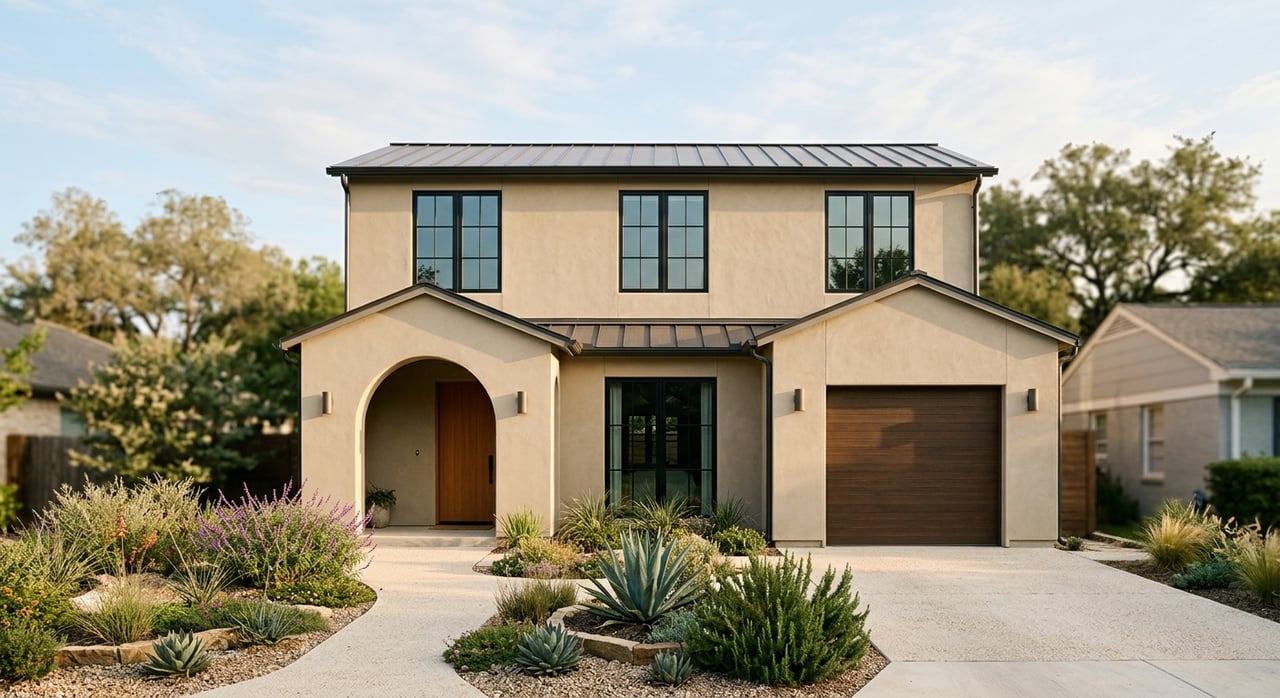
San Bruno Commute Guide for Buyers and Relocators
Thinking about moving to San Bruno but worried about your commute? You are not alone. For many Peninsula buyers, the daily trip to San Francisco, the South Bay, or airport-area jobs can shape where they want to live just as much as the home itself. The good news is that San Bruno offers more than one way to get around, and that flexibility can make a real difference in your day-to-day routine. Let’s dive in.
San Bruno stands out because it is not a one-route city. You have access to BART, Caltrain, SamTrans, and major highways, which gives you several ways to reach job centers across the Bay Area.
That layered network matters if your schedule changes often or if different members of your household commute in different directions. In practical terms, San Bruno can work for someone heading into downtown San Francisco, another person traveling down the Peninsula, and someone else needing quick access to SFO.
San Bruno Station is one of the city's biggest commuter advantages. According to BART, the station serves the Antioch to SFIA/Millbrae line and the Richmond to Millbrae/SFIA line, connecting San Bruno to San Francisco, the East Bay, and parts of the South Bay rail network.
The station also functions as more than a simple walk-up stop. BART notes that San Bruno Station includes parking and SamTrans connections, so it can support both park-and-ride commuters and riders who need a bus connection for the last part of the trip.
For many San Francisco commuters, BART is the most direct rail option. The station timetable shows repeated northbound departures into San Francisco throughout the day, which can make commuting feel more predictable.
There is one important service note to keep in mind. BART says some Sunday through Thursday evening service in the Millbrae, SFO, San Bruno, South San Francisco, Colma, and Daly City area will be delayed through Summer 2026 because of train-control modernization work.
That does not remove BART from the picture, but it is worth factoring into your routine if you often travel later in the evening. If your workday regularly ends after standard business hours, you may want to check current schedules before choosing your preferred route.
If your job is on the Peninsula or in Silicon Valley, Caltrain may feel like the more natural fit. Caltrain’s San Bruno stop is in Zone 1, and the agency says weekday rush trains on the electric fleet run every 15 to 20 minutes systemwide, with weekend trains every 30 minutes systemwide.
That kind of frequency helps explain why San Bruno works as a two-rail city. BART is often the backbone for San Francisco and East Bay trips, while Caltrain is better aligned with Peninsula and South Bay travel.
This gives you more flexibility than many nearby cities offer. If your work location changes, your household has split commutes, or you simply want another option when traffic is heavy, San Bruno gives you room to adapt.
Caltrain says riders can pay for parking at the San Bruno station ticket machine or through ParkMobile. That can be helpful if you are not within walking distance of the station but still want to avoid driving the full length of your commute.
Bike access is also part of the picture. Both BART and Caltrain support bike use, and BART’s San Bruno station page lists bike racks and 12 on-demand BikeLink lockers.
Rail gets a lot of attention, but roads still matter in everyday life. San Bruno sits between US-101 and I-280, with I-380 connecting them through the city, according to the city’s Transit Corridors Plan.
For drivers, that setup creates options depending on where you are headed and what traffic looks like that day. It also helps explain why San Bruno appeals to people whose work is not right next to a train station or whose schedules are less predictable.
San Francisco International Airport is immediately east of San Bruno. Official airport materials note that BART serves SFO directly and that terminal access is available from US 101 and San Bruno Avenue.
If you work in or near the airport, travel often for business, or regularly pick up visiting family, this location can be a real convenience. San Bruno is one of the few Peninsula cities where airport access is part of the daily lifestyle equation, not just an occasional perk.
A smooth commute is not only about the main train line or freeway. It is also about how easily you can get from home to the station, or from the station to work.
San Bruno Station is served by SamTrans, which adds a local bus layer for nearby destinations and last-mile connections. For some commuters, that can reduce the need to drive every day or make it easier to live without relying on a single transportation mode.
One of the most important things to understand is that San Bruno is not one uniform housing market. The city’s zoning map shows a mix of lower-density residential districts and mixed-use or transit-oriented zones, including CBD, TODS, TOD1, TOD2, and MXR.
In plain terms, that means your home options can look very different depending on where you focus your search. Areas closer to major corridors and stations are more likely to include condos, apartments, and mixed-use development, while other parts of the city still reflect more traditional single-family and duplex patterns.
San Bruno’s planning framework actively centers growth around San Bruno Avenue, El Camino Real, and the station area. Measure N allows up to five stories on El Camino Real and San Bruno Avenue, four stories on San Mateo Avenue, and seven stories in the Station Area.
The city’s Transit Corridors Plan also calls for pedestrian-oriented streets, more housing, and improved transitions next to residential areas. For buyers, this usually means the blocks closest to transit may feel more urban, more active, and more mixed in building type.
That pattern also shows up in approved projects. City documents list developments such as a five-story mixed-use project with 62 multifamily units at 111 San Bruno Ave., a 23-unit multifamily project at 271 El Camino Real, and the Mills Park Center mixed-use project with 427 units at 601 to 799 El Camino Real.
At the same time, San Bruno has kept much of its conventional neighborhood fabric. The city’s General Plan emphasizes conservation of residential neighborhoods, and its residential design guidelines are written around single-family and two-family homes.
That balance is part of San Bruno’s appeal. You can look for a more transit-connected home if walkability and station access are your top priorities, or you can focus on quieter interior areas if you want a different daily rhythm and do not mind a slightly longer first leg of the commute.
The best place to live in San Bruno depends on how you actually move through the week. A buyer commuting to downtown San Francisco may prioritize BART access differently than someone heading toward Palo Alto or San Jose.
Here are a few practical ways to frame your search:
This is where local guidance really helps. Two homes can both have a San Bruno address but offer very different commute experiences depending on corridor access, parking patterns, and how close they are to rail.
Parking is still part of commuter life in San Bruno. The city’s downtown parking plan was created to manage current and future demand and reduce spillover into nearby residential areas.
For you as a buyer, that is a useful clue. The busiest transit-adjacent blocks may come with a more urban feel and more parking competition, while hillside or interior streets may feel less intense but require more driving to reach transit.
Neither option is automatically better. It depends on whether you value a shorter walk to rail, easier car storage, or a balance between the two.
San Bruno offers something many commuters want but do not always find in one place: choices. You can use BART for San Francisco and East Bay trips, Caltrain for Peninsula and South Bay travel, SamTrans for local connections, and major highways for flexibility by car.
It also offers a housing landscape that reflects those choices. Transit-oriented areas continue to grow, while much of the city still includes established lower-density residential streets.
The city is also planning for more housing over time. Its 2023 to 2031 Housing Element sets a target of 3,165 homes, and the California Department of Housing and Community Development found the amended element to be in substantial compliance in October 2024.
For buyers trying to balance commute, housing style, and long-term livability, that makes San Bruno a market worth studying carefully instead of treating as a simple pass-through between other Peninsula cities.
If you are weighing a move in San Bruno or anywhere on the Peninsula, Wang Tang Group can help you compare commute patterns, home types, and neighborhood tradeoffs so you can move with confidence.

Jenny and Carmen live with their families in the Peninsula and are trusted by hundreds of clients, having successfully closed countless transactions across San Mateo, San Francisco, Santa Clara, and Alameda counties. From property upgrades, inspections, and strategic marketing to finding the best lenders, they guide clients through every step of the real estate journey.

Wang Tang Group
Address
1440 CHAPIN AVE STE 200
BURLINGAME, CA 94010
Jenny Wang | CA DRE# 02063767
Carmen Tang | CA DRE# 01974969