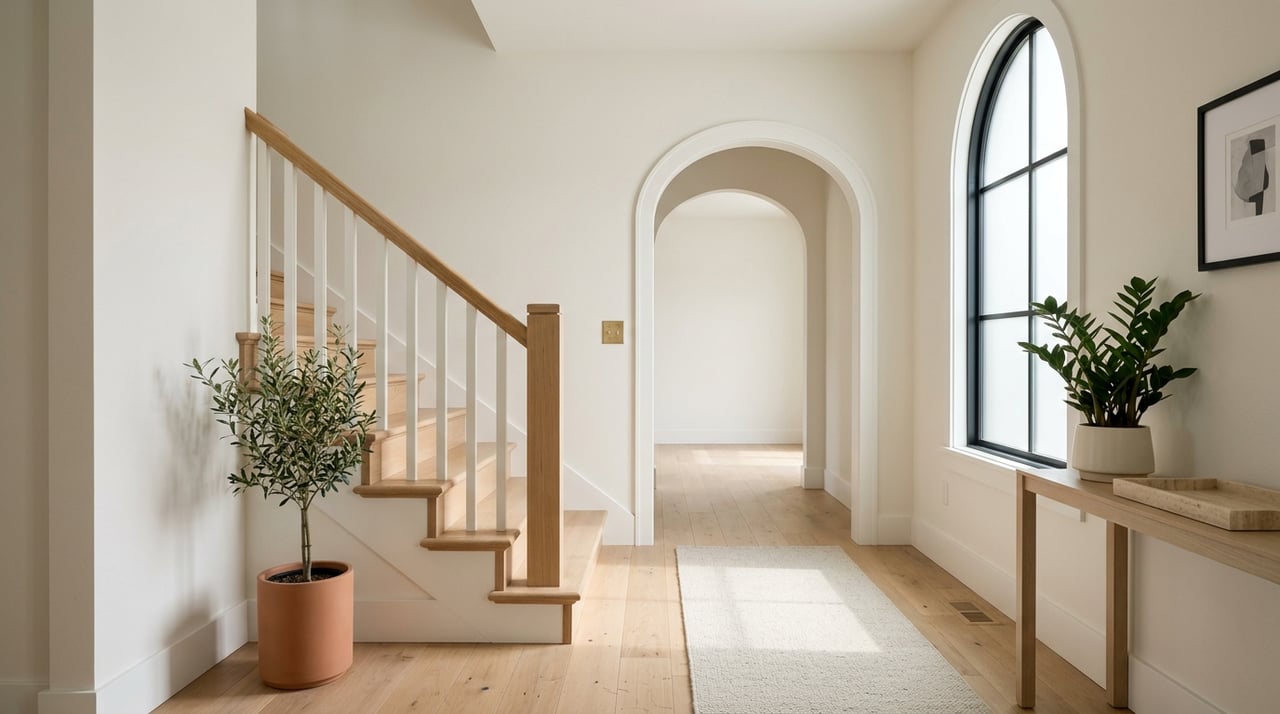
Navigating Move-Up Decisions In San Mateo
Are you wondering whether moving up in San Mateo still makes sense when prices are high and homes move fast? If you already own a home here, that question is rarely just about getting an extra bedroom or a larger yard. It is usually about how to use your equity wisely, how to handle timing, and how to choose the right next neighborhood for your budget and lifestyle. Let’s dive in.
San Mateo is not a market where you casually step from one home size to the next. In May 2026, Redfin reported a citywide median sale price of about $1.76 million, with homes selling in around 13 days. Zillow’s April 2026 figures also pointed to a high-cost, fast-moving market, with a median sale price near $1.69 million and 71.4% of sales closing above list price.
That matters because a move-up purchase in San Mateo often means entering a meaningfully different price band. It can also change your commute, your monthly payment, and the feel of your day-to-day routine. In a market this active, small differences between neighborhoods can have a big effect on your decision.
A move-up plan works best when you look beyond the broad city average. Different parts of San Mateo and nearby Peninsula markets sit in very different price ranges, and those ranges shape what your next move may look like.
Some local areas still sit below the citywide median, but they may already represent a major jump depending on your current home value. Hayward Park had a median sale price of about $1.37 million, with homes selling in roughly 16 days. Foster City, a nearby comparison many buyers consider, was around $1.55 million, with homes selling in about 14 days and receiving about two offers on average.
Once you move into neighborhoods like Hillsdale and San Mateo Village, the numbers shift quickly. Hillsdale had a median sale price of about $2.05 million. San Mateo Village was about $2.17 million, and homes there sold in roughly 7 days, which shows how quickly a desirable submarket can move.
Beresford Park and Aragon/Baywood show how steep the next jump can be. Beresford Park had a median sale price of about $2.26 million and was described as most competitive, with homes selling in around 13 days. Aragon/Baywood reached about $3.06 million, with homes selling in roughly 12 days.
Many move-up buyers compare San Mateo with nearby Peninsula cities before making a final choice. Millbrae was about $1.85 million, Redwood City about $1.79 million, and Burlingame about $3.10 million. Burlingame was also described as most competitive, with homes selling in around 11 days.
The biggest move-up surprise is often not the purchase price itself. It is the monthly payment change once you combine a larger loan amount, current interest rates, property taxes, insurance, and closing costs.
If you move from one San Mateo price band to the next, the payment jump may feel larger than expected even if the square footage increase seems modest. That is why your planning should start with a realistic look at available equity, cash needs, and the total monthly cost of the next home.
For many San Mateo homeowners, sale equity is the main tool that makes a move-up purchase possible. If your current home has appreciated over time, those proceeds may help fund the down payment, closing costs, and reserves for the next purchase.
That said, your equity number on paper is not the same as your usable buying power. You also need to account for selling costs, preparation expenses, and the possibility that your replacement home will attract strong competition. A clear estimate can help you avoid shopping in a price range that feels comfortable at first but becomes tight in practice.
In San Mateo County, property tax planning matters. The County Assessor explains that Proposition 13 generally limits the tax rate to 1% of assessed value plus voter-approved indebtedness, while annual assessed-value increases are typically capped at no more than 2% until reassessment is triggered.
When you buy a replacement home, reassessment usually means a new tax basis. If the new home is larger, newer, or simply more expensive, your annual property taxes may rise in a way that changes the true cost of moving up. Supplemental assessments can also follow, so this is an area worth reviewing early.
If you are age 55 or older, disabled, or qualify as certain wildfire or disaster victims, Proposition 19 may be especially important. San Mateo County states that eligible homeowners may transfer an assessed value to a replacement primary residence up to three times.
For households that qualify, this can materially change the monthly cost of a move-up purchase. It is one of the clearest examples of why the same home can feel much more affordable for one owner than for another.
Some move-up buyers want to secure the next home before putting their current property on the market. That can reduce the stress of finding temporary housing, but it also raises the financial bar.
The research report notes that temporary bridge or swing loans can be one financing tool in this situation. It also notes that lenders must document your ability to carry the current home, the new home, the bridge loan, and other obligations. In a high-cost market like San Mateo, that means this strategy usually requires careful review before you start making offers.
When homes are selling in 7 to 16 days across several local submarkets, preparation becomes a real advantage. Citywide, San Mateo homes were selling in about 13 days, which suggests that many buyers and sellers need to act quickly once a home hits the market.
If you are considering a move-up, it often helps to line up financing, estimate your net proceeds, and clarify your target areas before listing. That does not guarantee a smooth sequence, but it puts you in a stronger position when both your sale and your purchase may move fast.
A larger home is only one piece of the decision. In San Mateo, the right move-up choice often depends just as much on access, daily convenience, and the kind of setting you want.
San Mateo’s geography is closely tied to transit. The Downtown district notes frequent Caltrain service to San Mateo Station, SamTrans service, nearly 3,000 public parking spaces, and more than 100 dining destinations. The city’s transit-oriented development planning also focuses on Downtown, Hayward Park, and Hillsdale station areas.
For you, that may mean a practical tradeoff between convenience and neighborhood setting. Some buyers want easier rail access and a more active district, while others prioritize a more established low-density pocket with a different traffic pattern.
The city also notes that cut-through traffic on residential streets is a persistent concern. Its street classifications explain that local streets are intended to serve adjacent land uses and protect residents from through traffic, while collector roads connect neighborhoods to arterials.
That may sound technical, but it affects everyday livability. Two homes at similar price points can feel very different depending on how traffic moves around them and how connected they are to larger roads.
For households with school-age children, attendance boundaries can shape the search. San Mateo-Foster City School District says it serves about 10,500 students in preschool through 8th grade across 21 schools in San Mateo and Foster City, with assignment based on residence address and actual enrollment subject to space availability. San Mateo Union High School District says it serves about 9,000 students in grades 9 through 12 across several Peninsula communities.
The key point is simple: if school assignment is part of your move-up decision, confirm how a specific address fits into district boundaries and enrollment rules before you commit. Even within the same city, that can influence where you decide to focus.
San Mateo’s Housing Element says the city must plan for at least 7,015 new homes during the 2023 through 2031 cycle. The city also states that Measure T focused future housing near transit, Downtown, and other targeted areas while preserving low-density residential neighborhoods. More than 5,000 residential units were also reported as seeking city entitlements after those policy changes.
For move-up buyers, the practical takeaway is that some parts of San Mateo may see more visible change over time than others. If you are deciding between a transit-oriented area and an established low-density area, it helps to think not only about today’s fit but also about the future setting you want.
If you are weighing whether to stay, stretch, or move, a simple framework can help you cut through the noise.
Do not compare properties on size alone. Look at the likely payment, expected competition, market speed, street setting, and how the area may change over time.
In San Mateo, the right move-up decision is usually a balance between financial comfort and daily life. The goal is not simply to buy more home. It is to make a smart next move that supports how you want to live.
If you want help evaluating your current equity, your likely next price band, and the best timing strategy for your move, Wang Tang Group can guide you with local Peninsula insight and concierge-level support.
Jenny and Carmen live with their families in the Peninsula and are trusted by hundreds of clients, having successfully closed countless transactions across San Mateo, San Francisco, Santa Clara, and Alameda counties. From property upgrades, inspections, and strategic marketing to finding the best lenders, they guide clients through every step of the real estate journey.

Wang Tang Group
Address
1440 CHAPIN AVE STE 200
BURLINGAME, CA 94010
Jenny Wang | CA DRE# 02063767
Carmen Tang | CA DRE# 01974969