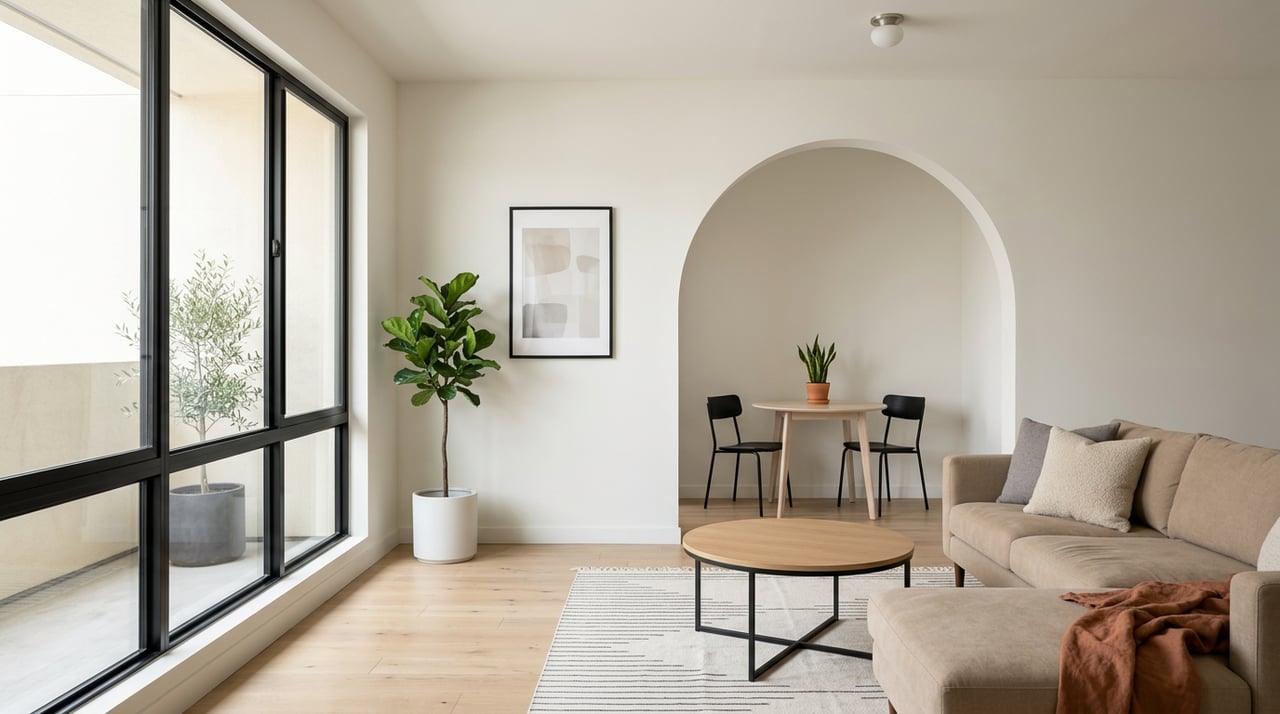
San Mateo Condo vs. Townhome: How to Choose Well
Should you buy a condo or a townhome in San Mateo? It is a smart question, because the right choice affects your monthly costs, financing, insurance, and even how much time you spend on upkeep. If you want convenient living near transit and dining, one option may fit better. If you prefer more control over your exterior and a small yard, the other could win. In this guide, you will compare how each works in California, what to check in the HOA documents, and how local San Mateo location and commute needs factor in. Let’s dive in.
In California, a condominium is a form of ownership, not just a style. You own your interior unit plus a shared interest in the common areas. That definition comes from state law, so it sets the rules of the road for costs and control. You can read the core definition in the California Civil Code that governs common-interest developments.
A townhouse or townhome is usually a physical style, such as an attached multi-level home with a private entrance. The title behind a townhome can vary. It might be a condo form of ownership or a fee-simple parcel in a planned development. The key takeaway is simple: architecture does not equal ownership. You need to confirm the ownership type by reviewing the deed and the community’s CC&Rs. See overviews of the Davis-Stirling Act for how these communities are organized and governed.
In most condo communities, the homeowners association manages common areas and many exterior elements. This often includes the roof, exterior walls, building systems, and landscaping, along with budgets, rules, and reserves. The Davis-Stirling framework sets disclosure and governance standards for how HOAs operate in California, which helps you know what to expect.
In fee-simple townhome communities, owners often handle more exterior maintenance, like roofs or private yards. Some townhome HOAs still cover parts of the exterior by choice. That is why you should always check the CC&Rs to see who pays for what. A quick rule of thumb: the more the HOA covers, the higher dues may be, but your personal upkeep may be lower.
When you buy into an HOA, you receive a resale packet. It typically includes budgets, reserve studies, CC&Rs, meeting minutes, and insurance declarations. California rules set short review windows for these documents, and many buyers ask for more time in the contract so they can read everything closely. That extra time can protect you from surprise assessments or rules that do not match your plans.
Condo associations in California must complete periodic inspections of exterior elevated elements such as balconies, catwalks, and railings under SB 326. The law requires engineering reviews and follow-up repairs if hazards are found. For buyers, this means older condo buildings could face capital projects or special assessments. Ask if inspections are complete and review any engineer’s report.
Lenders often treat condo loans differently because they look at the building’s health, insurance, owner-occupancy rate, reserves, and more. FHA and VA loans add another check, since they rely on project approvals or single-unit approvals. If you need FHA or VA financing, verify the project’s status early to avoid delays.
Fee-simple townhomes typically follow single-family underwriting, which can be simpler, but always confirm the title. If your townhome is held in condo form, those condo rules may still apply. Your lender and agent can help you confirm the structure of the deal before you commit.
Condo owners often carry an HO-6 policy that covers interior finishes, personal property, liability, and loss of use. The HOA’s master policy covers shared areas and, depending on the policy type, parts of the structure. Townhome owners with fee-simple title often need an HO-3 homeowners policy because they own the exterior and land. Always request the association’s master policy declarations so your agent can line up the correct coverage and help you avoid gaps.
Monthly HOA dues vary based on building age, amenities, and whether the HOA funds major systems and insurance. In California, many associations have seen higher costs for insurance and repairs. Your job is to look beyond the monthly dues and review reserves, planned projects, and the history of special assessments. That is what signals your real long-term cost.
San Mateo offers a wide range of attached homes near jobs, transit, and amenities. The largest clusters of condos and townhomes tend to sit near Downtown San Mateo, Hillsdale, and Bay Meadows, where the city has focused growth around transit and services. If you value walkability and easy errands, these areas are strong fits. The city’s Housing Element highlights these targeted growth corridors.
Commute time also plays a role. San Mateo’s mean travel time to work is about 26 minutes, which reflects a mix of Caltrain access and freeway corridors like US-101 and I-280. If a quick commute and car-light lifestyle matter most, condos near Caltrain or townhomes in transit-served hubs can save time. If you want more private outdoor space and can trade a bit more driving for it, fee-simple townhomes away from the core may suit you.
For price context, citywide typical home value was around 1.60 million dollars as of January 2026. Actual prices for condos and townhomes vary by neighborhood, size, and building condition. Your monthly cost will come down to a blend of price, dues, insurance, and your loan profile.
Before you write an offer, request and review:
When you compare a condo to a townhome, build a full monthly picture:
If you are close on cost, let location and lifestyle be the tiebreaker. Proximity to Caltrain, parks, and shopping can boost daily quality of life and long-term appeal.
You should not have to sort through CC&Rs, reserve studies, and insurance declarations alone. Our team reads the details, flags risks, and helps you compare true monthly costs across properties. As a boutique, bilingual team with deep Peninsula roots, we pair careful guidance with Compass tools and a vetted vendor network. From HOA document review to negotiation and closing, we keep your move smooth and informed.
Ready to compare a few San Mateo options side by side? Connect with the Wang Tang Group to talk through your goals and get a tailored plan.



Jenny and Carmen live with their families in the Peninsula and are trusted by hundreds of clients, having successfully closed countless transactions across San Mateo, San Francisco, Santa Clara, and Alameda counties. From property upgrades, inspections, and strategic marketing to finding the best lenders, they guide clients through every step of the real estate journey.

Wang Tang Group
Address
1440 CHAPIN AVE STE 200
BURLINGAME, CA 94010
Jenny Wang | CA DRE# 02063767
Carmen Tang | CA DRE# 01974969