If you are new to San Francisco, the city can feel like a patchwork of villages stitched together by hills, parks, and a lot of microclimates. One block offers café-lined streets and historic rowhouses. A few miles west, you are near ocean beaches and quiet rows of mid‑century homes. You want a simple way to choose where to live that fits your day-to-day life, not just a map. This guide breaks San Francisco into six easy clusters, explains how transit and housing types differ, and gives you a short checklist to test a neighborhood before you commit. Let’s dive in.
How to read San Francisco fast
San Francisco makes sense once you focus on four things: feel, amenities, commute, and housing types.
- Feel: architecture and street scale shape your daily rhythm. Rowhouses and walk-up flats feel different than new towers with ground-floor lobbies.
- Amenities: parks, cafés, weekend markets, and small retail matter when you plan your week.
- Commute: check your access to Muni, BART, and Caltrain. Use the Muni system map to spot quick downtown links.
- Housing types: neighborhoods tilt toward different forms, from Victorian and Edwardian walk-ups to mid‑century single‑family rows or new high-rise condos.
A quick note on microclimates: bring layers. Summer days can differ by 10°F between sunny slopes and ocean-facing blocks. For example, Noe Valley often reads sunnier than the Outer Sunset. Learn your target area’s real feel by visiting at different times. Here is a helpful primer on microclimates.
Six neighborhood clusters for newcomers
Below you will find a plain-language snapshot of each cluster: the feel, everyday amenities, commute anchors, housing you will see, and a short “what to check” list for field visits.
Northeast and Waterfront: Financial District, North Beach, Fisherman’s Wharf, Chinatown, Telegraph Hill
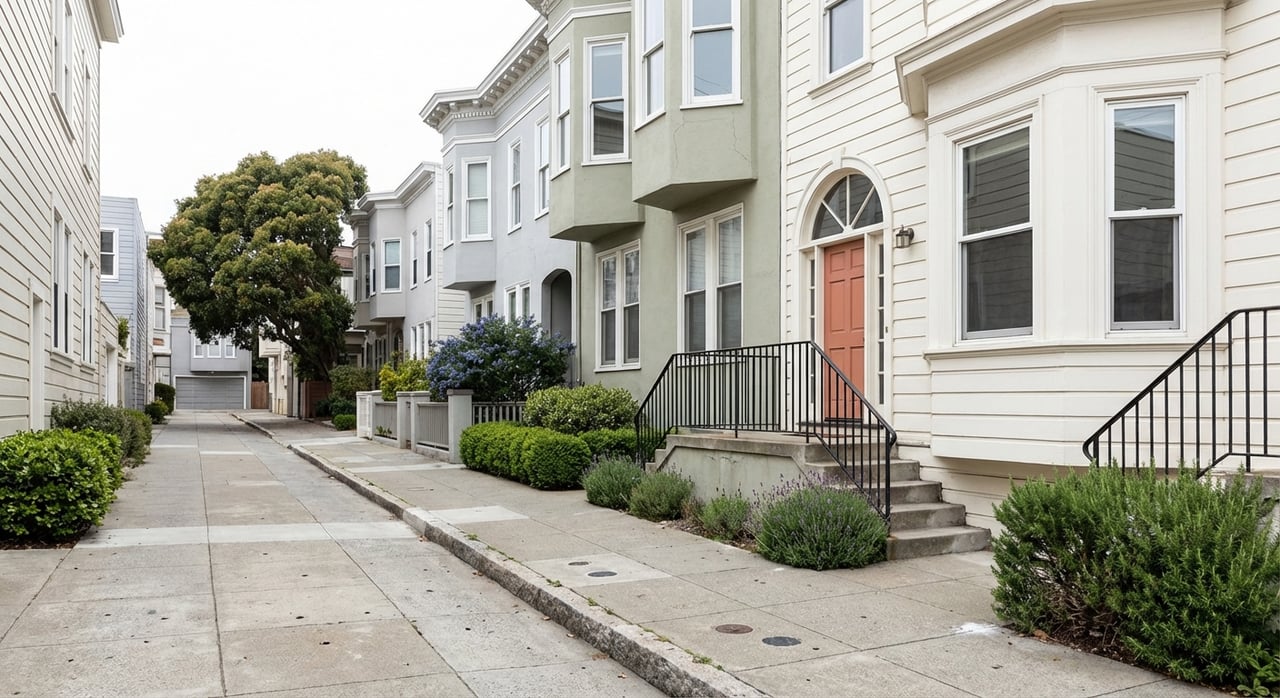
- Feel and architecture: dense downtown blocks near office towers blend into historic low-rise streets. Side streets around North Beach and Telegraph Hill still show classic Victorian and Edwardian detail. If you love ornate trims and bay windows, this Victorian heritage overview gives quick context.
- Amenities highlights: Embarcadero promenades and Ferry Building food halls, North Beach cafés, Telegraph Hill stairways. Tourist energy is part of weekday life in some pockets.
- Commute and transit: strong access to Muni and Market Street BART. Very high walkability and short trips to downtown anchors. Check the Muni system map when you plan your route.
- Housing you will see: a mix of high-rise condos near the Embarcadero, low-rise apartments, and preserved Victorian or Edwardian flats on quieter streets.
- What to check:
- Visit mornings and evenings to gauge tourist foot traffic and noise.
- Test a BART and Muni combo to your office.
- For older multiunit buildings, ask about soft‑story seismic upgrades.
SoMa, Mission Bay, Dogpatch, Potrero Hill
- Feel and architecture: former industrial zones turned mixed-use hubs. Expect newer towers in SoMa and Mission Bay, brick and warehouse conversions in Dogpatch, and sun-exposed hillside homes in Potrero Hill.
- Amenities highlights: Oracle Park and Chase Center events, growing restaurant and brewery scenes, galleries, and waterfront strolls.
- Commute and transit: the Central Subway opened in January 2023, creating faster links between Chinatown, Union Square, SoMa, and down the T‑Third corridor. Caltrain’s 4th and King is your Peninsula rail gateway.
- Housing you will see: new high-rise condos and rental towers, loft-style conversions, and fewer classic single-family blocks other than Potrero Hill.
- What to check:
- Visit on a game night to understand event traffic.
- Compare commute times on Central Subway routes versus bus lines.
- Review HOA dues and amenities if you are eyeing newer condos.
Mission, Dolores, Bernal Heights, Noe Valley
- Feel and architecture: lively street life with cafés and independent shops, plus a mix of walk-up Victorian and Edwardian flats, 2 to 4 unit buildings, and some newer infill condos.
- Amenities highlights: Valencia Street and 24th Street dining, bakeries, and frequent markets. Mission Dolores Park is a weekend anchor with skyline views.
- Commute and transit: strong Muni coverage and nearby BART stations make downtown trips quicker than from many western neighborhoods.
- Housing you will see: multiunit wood-frame buildings, flats, and pockets of small single-family homes. Noe Valley skews more residential with hillside streets.
- What to check:
- Tour on a sunny afternoon and a foggy morning to see microclimate swings.
- If you plan to buy in an older 2 to 4 unit building, ask about seismic upgrades.
- Walk the block at night to gauge nightlife energy.
Central residential hills: Russian Hill, Nob Hill, Pacific Heights, Marina, Cow Hollow
- Feel and architecture: elegant historic streetscapes and larger pre‑war homes. Some of the city’s grandest façades sit here, with views that draw you to the water.
- Amenities highlights: boutique corridors like Fillmore and Union Street. Easy access to waterfront paths and parks such as Crissy Field and the Presidio. Learn more about the area’s parklands at Presidio.gov.
- Commute and transit: solid Muni coverage and relatively short rides downtown.
- Housing you will see: upscale condos, classic multiunit Victorians and Edwardians, and larger single‑family homes where lots allow.
- What to check:
- Test hills and stairs on your daily routes if mobility matters.
- Confirm garage and street parking rules if you own a car.
- For older multiunit buildings, confirm soft‑story status and any retrofit history.
The Avenues: Inner and Outer Richmond, Inner and Outer Sunset, Outer Parkside
- Feel and architecture: quieter, residential rows of mid‑century single‑family homes and modest multiunit buildings. Long, straight blocks lead to the ocean and Golden Gate Park.
- Amenities highlights: neighborhood retail strips and easy access to beaches and park trails. Fewer late-night options compared with central districts.
- Commute and transit: Muni rail and bus lines serve the corridors, such as the N Judah through the Sunset. Expect longer transit times to downtown than inner neighborhoods.
- Housing you will see: single‑family row houses, mid‑century flats, and slightly larger lots than the inner core.
- What to check:
- Visit on a foggy evening and a sunny afternoon to feel the coastal shift.
- Time the N Judah or bus to downtown during rush hour.
- Inspect garages and driveways if car storage is a priority.
Southeast: Bayview–Hunters Point, Visitacion Valley
- Feel and architecture: a historic working waterfront with industrial roots and pockets of new development on former shipyards and large sites.
- Amenities highlights: growing arts spaces and new housing projects. Retail corridors are more dispersed than in central neighborhoods.
- Commute and transit: the T‑Third line and the Central Subway improve north–south connectivity into downtown.
- Housing you will see: a mix of older multiunit buildings, select industrial conversions, and new infill developments.
- What to check:
- Confirm transit frequency on the T‑Third to your work hours.
- Review nearby redevelopment plans and construction timelines.
- For new homes, compare builders’ warranties and HOA structures.
Commute anchors that shape daily life
- Muni: Your city circulator. Use the Muni system map to see how your target block connects to downtown, BART, or Caltrain.
- BART: Primary regional rail for East Bay and airport connections. If you are weighing South San Francisco as an alternative, the South San Francisco BART station offers direct East Bay access.
- Caltrain: Peninsula rail for trips to South Bay job centers. If Redwood City is on your list, review service patterns at the Redwood City Caltrain station.
- Central Subway: The Central Subway opened in January 2023, shortening trips between Chinatown, Union Square, SoMa, and the T‑Third corridor.
- Ferries: Redwood City is advancing a ferry terminal plan. It is an in‑progress initiative rather than current service. You can track planning updates via the Port of Redwood City.
Housing types and what to ask on a tour
- Victorian and Edwardian walk-ups: Expect narrow lots, bay windows, and period trim. This quick heritage piece shows the character many buyers love.
- Soft‑story multiunit buildings: Many older wood‑frame buildings with large ground-floor openings were covered by a mandatory seismic retrofit program. Ask listing agents whether required work is complete. This affects renovation timelines and potential construction noise. Here is a plain-language explanation of the soft‑story ordinance.
- Lofts and new towers: Open-plan interiors, higher ceilings, and modern amenities are common. Compare HOA dues and building services against your budget and lifestyle.
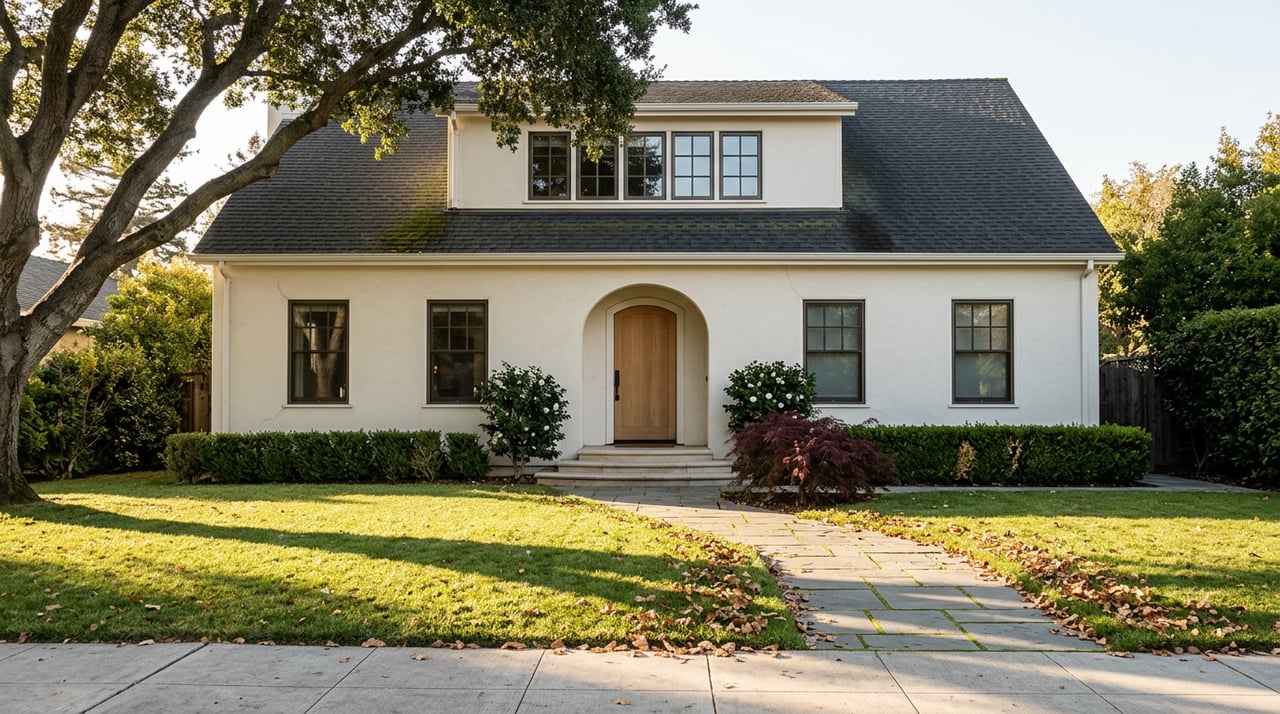
- Mid‑century single‑family rows: Often found in the Avenues. Garages and driveways are more common than in inner-core neighborhoods.
Market snapshot: context for your short list
- San Francisco’s citywide median sale price was about $1,300,000 in January 2026. Use this as an anchor while you explore specific neighborhoods and property types.
- For a Peninsula contrast, Redwood City’s median sat roughly between $1.9 million and $2.0 million in January 2026.
Bay Area prices move quickly. When you are ready to browse, pair live listing research with on-the-ground tours so you can balance budget, commute, and daily comfort.
Peninsula alternatives in brief
If your job sits along the Peninsula or you want different housing stock, consider these quick comparisons.
- Redwood City: A full-service downtown with a well-used Caltrain station and frequent weekday trains. Planning is underway for a future ferry terminal. Check the Redwood City Caltrain station for service info and the Port’s ferry planning page for project updates.
- South San Francisco: Both Caltrain and BART serve the city. The BART station provides faster East Bay connections, while Caltrain improvements support electrified service and accessibility. If you split time between SFO, biotech campuses, and San Francisco, the BART station page is a helpful planning resource.
A smart path to your top three neighborhoods
Use this simple loop to go from “curious” to “confident.”
- Set your must-haves. Rank commute time, sun exposure, private parking, and building type.
- Map your commute. Use the Muni system map and, if relevant, BART or Caltrain to time peak-hour trips door to door.
- Walk it twice. Visit on a weekday evening and a weekend afternoon. Note café hours, grocery options, and park access.
- Inspect the building type. For older multiunit buildings, ask about soft‑story retrofit status and recent exterior work. For condos, review HOA budgets and dues.
- Check car reality. Confirm garage clearance, street parking rules, and driveway use. If you will go car-light, count block-by-block transit options.
- Sleep on it. Revisit your top three and compare tradeoffs with your budget and daily routine.
Ready to explore homes with a local, data-grounded plan and concierge support? Reach out to the Wang Tang Group for a tailored neighborhood consult or to request a free home valuation.
FAQs
What should a newcomer look for when comparing San Francisco neighborhoods?
- Focus on four filters: feel, amenities, commute anchors, and housing type. Visit at different times to test microclimate, noise, and transit reliability.
How does the Central Subway change commuting to and from SoMa and Dogpatch?
- The Central Subway opened in January 2023 and shortens trips between Chinatown, Union Square, SoMa, and the T‑Third corridor, improving north–south connectivity for daily commutes.
Why do soft‑story buildings matter when buying in older SF neighborhoods?
- Many wood‑frame multiunit buildings needed seismic retrofits under a city program. Confirm if work is complete since it affects safety, future construction timing, and potential temporary impacts.
How do SF microclimates affect daily comfort and housing decisions?
- Temperatures and wind can swing by neighborhood. Try sunny slopes like Noe Valley and compare them to ocean-facing areas like the Outer Sunset. Always bring layers.
How do San Francisco and Redwood City compare for buyers focused on commute and budget?
- San Francisco’s January 2026 median was about $1.3M, while Redwood City’s was roughly $1.9M to $2.0M. Redwood City offers strong Caltrain access, and a ferry terminal is in planning.