Living in Burlingame CA: Your Day-to-Day Experience
Thinking about a move to Burlingame and curious what your everyday would feel like? Picture tree-lined streets, a compact downtown for daily errands, and quick connections up to San Francisco or down the Peninsula. Whether you are commuting, traveling often, or juggling school drop-offs, you will find a rhythm here that blends small-town ease with big-city access. In this guide, you will see how life flows in Burlingame, from housing styles and commute options to parks, dining, and practical considerations. Let’s dive in.
Burlingame sits on the San Francisco Peninsula in San Mateo County, close to San Francisco International Airport and between major job centers in San Francisco and Silicon Valley. The city runs north to south, with most neighborhoods a short drive to shopping, parks, and transit. Many residents choose Burlingame for its balance of quiet residential blocks and convenient regional access.
Downtown Burlingame has a neighborhood scale that supports easy routines. You can grab coffee, run errands, and be back home in minutes. If your week takes you to meetings in the city or the South Bay, it is straightforward to get where you need to go.
Burlingame’s daily life revolves around two main corridors: Burlingame Avenue and Broadway. Both are walkable, tree-lined, and packed with local businesses. You will find independent boutiques, casual and full‑service restaurants, bakeries, coffee shops, fitness studios, and everyday services like salons, banks, and dry cleaners.
The retail mix leans toward neighborhood needs rather than big-box stores. Larger shopping centers are a short drive away in adjacent cities, which keeps downtown focused and personal.
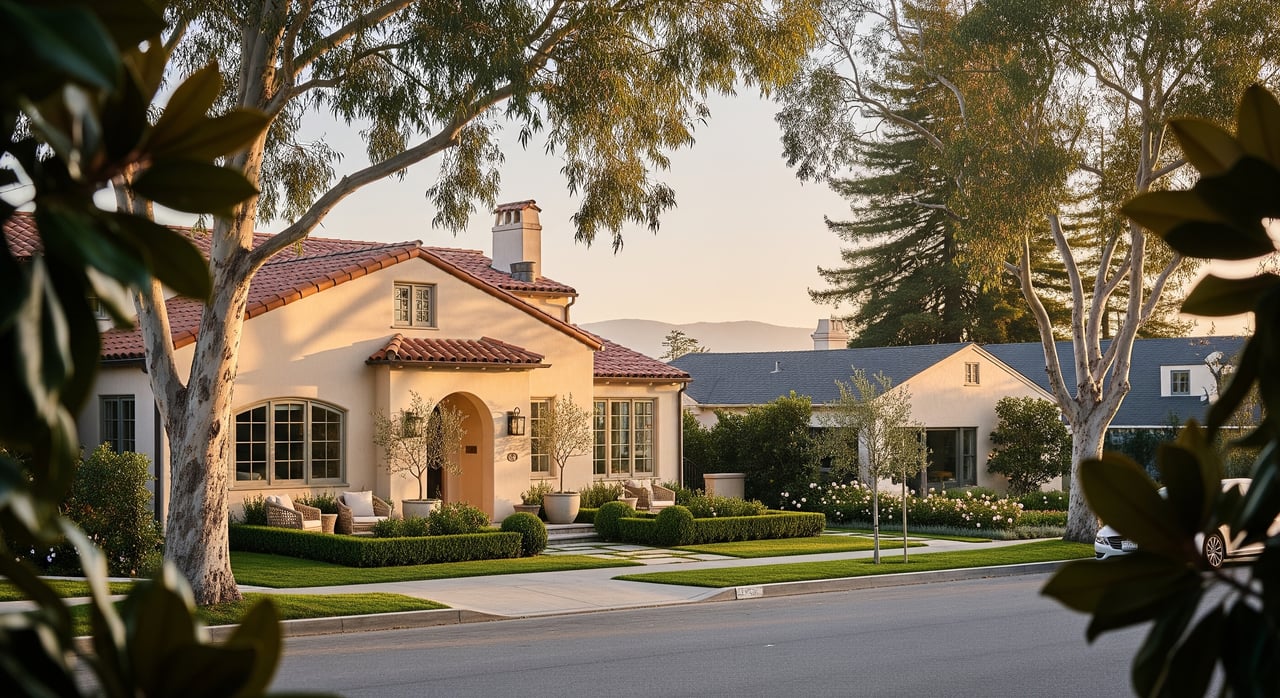
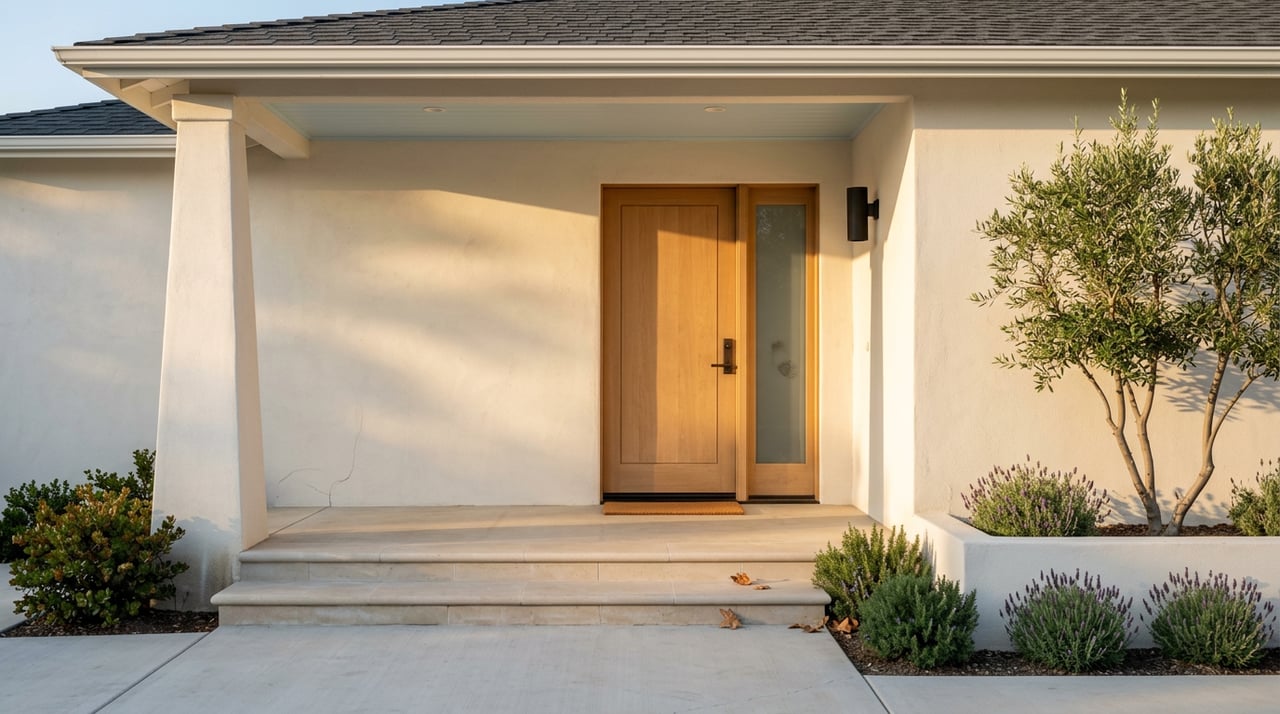
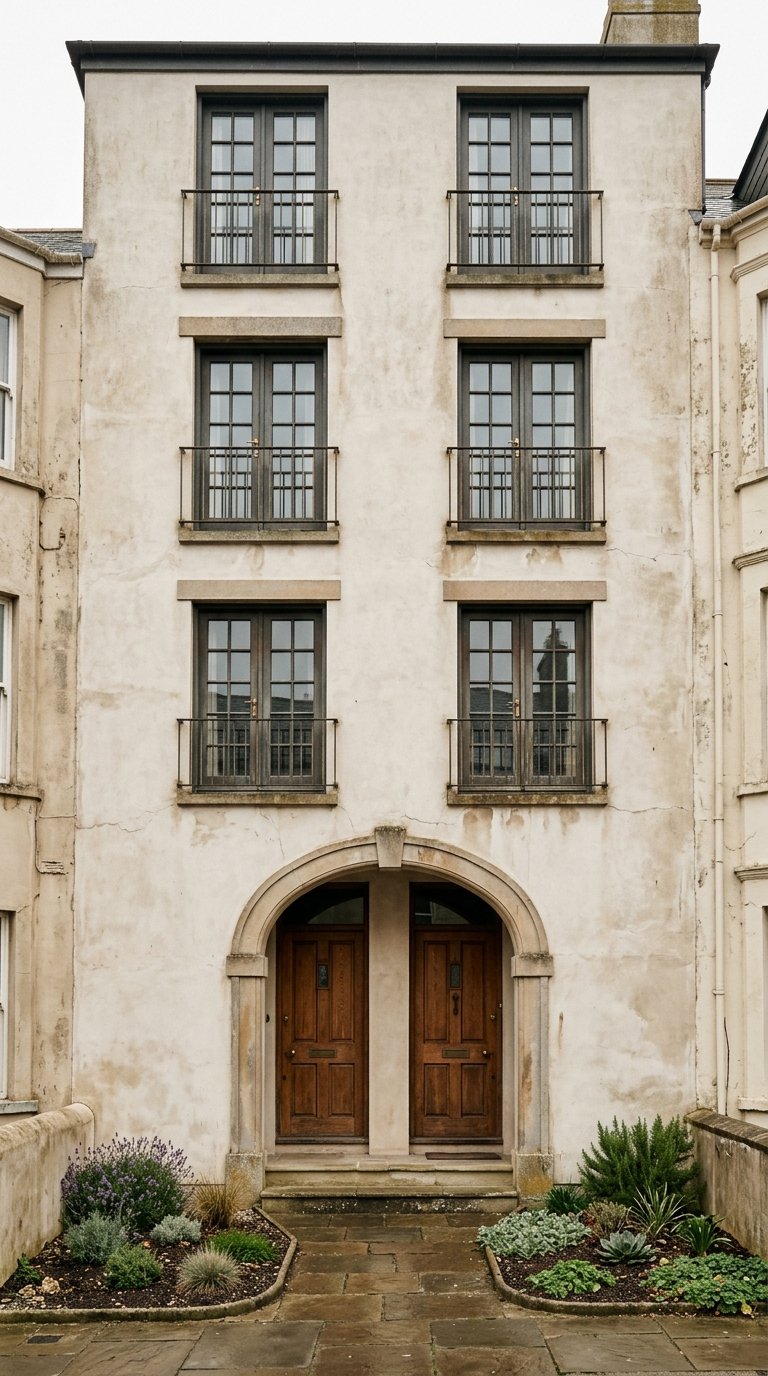
Burlingame is known for its established residential streets and a wide range of home styles. You will see Craftsman bungalows, early 20th-century period homes, Mediterranean and Spanish Revival architecture, mid-century ranches, and new or remodeled properties. Many original homes have been expanded or updated over time, so the streetscapes blend classic charm with modern comforts.
Lot sizes for single-family homes are moderate by Peninsula standards. Most older neighborhoods offer front yards, backyards, and garages. Closer to downtown and transit, you will find newer infill homes, townhomes, and condos that trade larger yards for a convenient location.
If you want a low-maintenance home and easy access to shops or the train, consider areas near the Caltrain corridor and Burlingame Avenue. These locations often suit first-time buyers, frequent travelers, and busy professionals who value a walkable setup.
Many Burlingame homes date back several decades. If you plan to renovate, expect standard Peninsula permitting and potential historic considerations for older properties. Accessory dwelling unit rules, additions, and structural upgrades require city review. A thoughtful plan and a reliable vendor team will help you move from idea to execution without surprises.
Burlingame supports several commuting modes, which makes weekday planning flexible.
Caltrain runs along the Peninsula with a station in Burlingame, which is helpful if you work in downtown San Francisco, on the Peninsula, or in the South Bay. Service levels vary by time of day, so many residents keep an eye on schedules and train types. SamTrans provides local and intercity bus routes that connect Burlingame to nearby cities and transit hubs.
The nearest BART connection is in Millbrae. This hub links BART, Caltrain, and airport access, which is convenient if your commute involves multiple systems.
Two highways frame the Peninsula commute: US‑101 and I‑280. US‑101 serves most north-south commuters and reaches downtown San Francisco efficiently outside peak congestion. I‑280 offers a scenic alternative and is useful for certain South Bay or West Bay destinations. Many tech and biotech employers run private shuttles with stops in or near Burlingame, so check company benefits and routes.
Downtown is very walkable, and short local trips by bike are common. The bayfront area provides paths for recreation and light commuting between neighboring cities. Street parking is generally manageable on residential blocks, though it can tighten near downtown and the train station. If you plan to park near Caltrain daily, explore permit options and commuter lots or consider a drop-off or bike-to-station routine.
Outdoor access is a big part of Burlingame life. Neighborhood parks and playgrounds make it easy to get outside with kids or pets. Community recreation programs offer organized activities and classes throughout the year.
You will find pocket parks and larger green spaces spread throughout the city, with amenities like play structures, courts, fields, and picnic areas. City programs also support youth sports, fitness, and seasonal activities, which helps families plan their after-school and weekend schedules.
The bayfront area offers open views and paths for walking, jogging, and biking, which are great for a quick reset during a busy week. When you want bigger adventures, regional parks, coastal trails, and nearby destinations are all reachable for day trips.
Public schools in Burlingame are served by the Burlingame School District for elementary and middle schools and by the San Mateo Union High School District for high school. Many households consider school calendars, enrollment policies, and boundaries when planning a move. If schools are part of your decision, check the latest district information to align your timeline and address.
For families comparing options, it is common to map walk or drive times from potential homes to schools, parks, and after-school activities. This helps you understand how your daily routine will look in practice.
Every city has its pros and considerations. Burlingame’s strengths are clear, and so are the details you should plan for as you decide if it is the right fit.
Here are simple, real-life snapshots that show how different residents shape their days.
If you want a place that blends convenience, neighborhood charm, and Peninsula access, Burlingame is easy to love. You can keep your routines simple, commute on your terms, and still be close to major job centers and the airport. If you are weighing neighborhoods, housing types, or timing your move around schools and commute, our local guidance makes a difference.
Ready to map your daily life to an address that fits? Connect with the Wang Tang Group for tailored neighborhood insights, on-the-ground property previews, and a clear plan. Our team delivers concierge-level service, market-smart pricing, and multilingual support in English, Mandarin, and Cantonese. Request a free home valuation and let’s plan your next step.

Jenny and Carmen live with their families in the Peninsula and are trusted by hundreds of clients, having successfully closed countless transactions across San Mateo, San Francisco, Santa Clara, and Alameda counties. From property upgrades, inspections, and strategic marketing to finding the best lenders, they guide clients through every step of the real estate journey.

Wang Tang Group
Address
1440 CHAPIN AVE STE 200
BURLINGAME, CA 94010
Jenny Wang | CA DRE# 02063767
Carmen Tang | CA DRE# 01974969