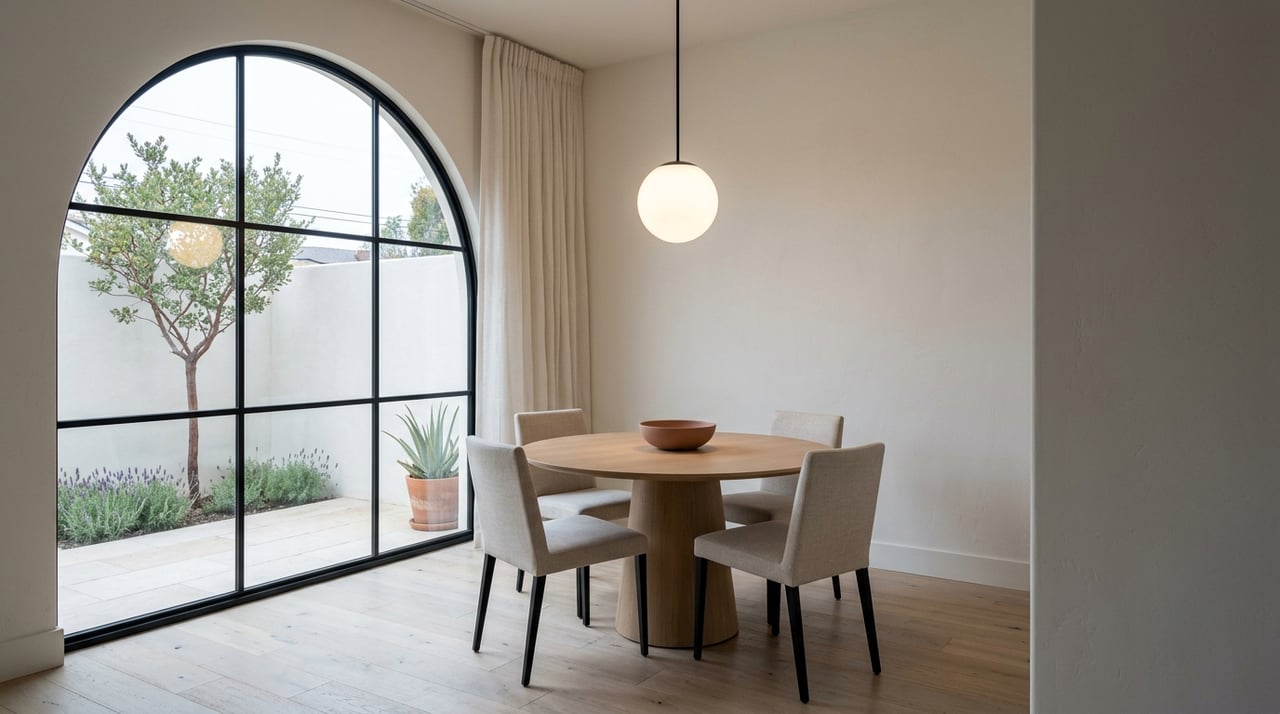
San Bruno Multiple Offers Strategy for Buyers & Sellers
If you are buying or selling in San Bruno, multiple offers can turn a promising deal into a fast-moving, high-pressure decision. In this market, speed matters, but so do contract terms, financing strength, and a clear strategy. The good news is that when you understand how the process works, you can make smarter choices and stay focused on your goals. Let’s dive in.
San Bruno continues to behave like a competitive Peninsula market. According to Redfin’s San Bruno housing market data, homes received an average of 2 offers, sold in 9 days, and reached a median sale price of $1.4 million in March 2026. That kind of pace can create pressure for both buyers trying to win and sellers trying to choose the right offer.
Other market data points in the same direction. Realtor.com’s February 2026 San Bruno market page described the city as a seller’s market, with a median 28 days on market and a 100% sale-to-list ratio. While different platforms measure the market differently, both suggest that well-positioned homes can attract strong attention.
Location also plays a role in buyer demand. The City of San Bruno public transit page notes that San Bruno connects to BART, SamTrans, San Francisco International Airport, and Caltrain access for commuters heading to San Francisco and Silicon Valley. For many buyers, that convenience supports long-term appeal and helps keep competition steady.
A multiple-offer situation usually starts when a listing draws quick interest and more than one buyer submits an offer around the same time. Some sellers set a formal offer-review date. Others may respond as offers come in, especially if a strong buyer acts early.
In California, the offer process has become more structured for buyers. The California Department of Real Estate advisory on buyer representation says buyers’ agents must have a signed buyer-broker representation agreement with their clients as soon as practicable, and no later than the execution of the buyer’s offer to purchase. That means buyers should have their agent relationship in place before they are racing to submit an offer.
On the listing side, written offers generally must be presented to the seller. The DRE professional responsibility course materials explain that a listing broker is expected to present written offers unless the seller instructs otherwise or the offer is clearly frivolous. If you are a buyer, that is important context because no immediate response does not always mean your offer has been rejected.
Sellers often use deadlines to organize buyer interest and compare terms side by side. In competitive settings, that can help a seller weigh not just price, but also financing, contingencies, and closing timing. California agents also commonly use formal multiple-offer paperwork, including C.A.R. forms such as the Summary of Multiple Offers and Seller Multiple Counteroffer, which helps keep the process orderly.
A preemptive offer can change the timeline. Realtor.com defines a preemptive offer as an offer submitted before the seller’s official review date. In the right situation, a strong early offer may persuade a seller to act before other buyers submit their bids.
For sellers, the real question is not just whether the number looks attractive. It is whether the full package reduces risk enough to justify moving early. A clean offer with strong financing, fewer contingencies, and a timeline that matches your plans may be more valuable than waiting to see what else appears.
Price gets attention, but terms often decide the outcome. In a market where buyers may compete closely, the strongest offer is usually the one that gives the seller confidence the deal will actually close.
According to C.A.R.’s contingency guide, common contingencies in the standard Residential Purchase Agreement can include loan, appraisal, investigation or inspection, review of seller documents, preliminary title, HOA disclosures, and leased-item review. Many removal deadlines are set at 17 days after acceptance unless the parties negotiate something different.
In practice, buyers often become more competitive by shortening contingency periods or, in some cases, removing selected contingencies. That can make an offer more appealing to a seller, but it also increases the buyer’s risk. You should only tighten terms after understanding the financial and property implications.
A faster investigation plan can help in a competitive situation. C.A.R.’s inspection guidance advises buyers to line up inspectors before writing an offer and not wait until the end of the contingency period to begin investigations or request repairs. If you are trying to compete in San Bruno, preparation before offer day can make a real difference.
Even in a fast market, financing strength matters. Freddie Mac’s Primary Mortgage Market Survey placed the national 30-year fixed-rate mortgage at 6.30% on April 16, 2026. Buyers need to balance competitiveness with a monthly payment and cash position that remain workable through closing.
This is especially true in San Mateo County, where pricing remains elevated. C.A.R.’s January 2026 county data release reported a $2.0 million median sold price for existing single-family homes in San Mateo County, along with 2.5 months of unsold inventory and 13 days on market. In that environment, a fully thought-out financing plan can be just as important as a bold offer price.
If you bid above list price, appraisal risk becomes more important. Based on how loan and appraisal contingencies work in the standard contract, a lender may still require a supportable appraised value even if a buyer wants to stay aggressive. If the appraisal comes in low, the buyer may need to bring in more cash, renegotiate, or rely on a contingency if one is still in place.
In San Bruno, being interested is not enough. You need to be ready before the right home appears.
Start with the basics:
This preparation matters because California rules now require early clarity on representation, and San Bruno homes can move fast. C.A.R.’s 2026 housing forecast also points to statewide conditions that still support a competitive playbook, including a projected 2% rise in home sales, a nearly 10% increase in active listings, and an average 30-year fixed rate of 6.0%. More inventory may help, but competition has not disappeared.
If you are selling, your job is not just to find the highest number. Your job is to compare total risk, net proceeds, and timing.
A strong seller review often includes:
This is why the best offer is not always the highest one. A slightly lower offer with fewer hurdles can create a smoother path to closing and reduce the chance of delays or renegotiation.
Many buyers assume their offer details will stay private, but that is not automatic. A C.A.R. disclosure on buyer representation and broker services warns that a seller or listing agent may disclose the existence, terms, or conditions of a buyer’s offer unless all parties and their agents have signed a written confidentiality agreement.
For buyers, that means strategy matters. For sellers, it means your agent should clearly explain how offers will be handled and what disclosures may apply during negotiations.
Multiple-offer situations move quickly, but they should not feel chaotic. In a market like San Bruno, success often comes from being organized before the competition begins and staying disciplined once offers are in play.
That is where experienced guidance can add real value. Whether you are trying to structure a winning purchase offer or evaluate competing bids on your home, the right support can help you weigh price, timing, financing, and risk with more confidence. If you are planning a move on the Peninsula, Wang Tang Group can help you prepare, negotiate strategically, and move forward with a clear plan.



Jenny and Carmen live with their families in the Peninsula and are trusted by hundreds of clients, having successfully closed countless transactions across San Mateo, San Francisco, Santa Clara, and Alameda counties. From property upgrades, inspections, and strategic marketing to finding the best lenders, they guide clients through every step of the real estate journey.

Wang Tang Group
Address
1440 CHAPIN AVE STE 200
BURLINGAME, CA 94010
Jenny Wang | CA DRE# 02063767
Carmen Tang | CA DRE# 01974969