You love the warmth of a Craftsman home. Pricing one in San Mateo, though, is not as simple as price per square foot. Style, condition, and even which block you are on can change buyer demand and appraisal outcomes. If you want to position your home to attract the right buyers or make a compelling offer as a buyer, you need a framework that accounts for architecture, lot, updates, and micro-location.
This guide gives you a step-by-step plan to value a Craftsman in San Mateo, plus practical staging, inspection, and pricing tips. You will learn how to select comps, highlight period details, and avoid common pitfalls that affect financing and insurance. Let’s dive in.
What drives value in San Mateo
San Mateo’s market for well-preserved Craftsman homes is defined by scarcity and strong Peninsula demand. Buyers often compete for properties with authentic period details and a convenient location. Because the Bay Area market moves fast, recent sales and pendings matter most when you set your price.
Micro-location can shift value even within the same neighborhood. Consider the following factors when you position your home:
- Proximity to transit and commute routes. Homes near the San Mateo Caltrain station, SamTrans lines, and key corridors to job centers often see stronger demand.
- Access to amenities. Being close to Downtown San Mateo, Central Park, and major shopping corridors can support higher pricing.
- School district boundaries. Confirm current assignments for San Mateo-Foster City Elementary and San Mateo Union High School District, since many buyers weigh these in their search. Keep your language neutral and factual.
- Block-level character. A cohesive historic streetscape with multiple preserved period homes can boost perceived value compared with isolated examples.
- Lot usability and privacy. Usable backyards, alley access, parking, and accessory dwelling unit (ADU) potential are meaningful value drivers.
- Topography and views. Light elevation or bay views can help. Steep lots may narrow the buyer pool.
Also check whether the home is a designated historic resource or within a local historic district. Designation can attract authenticity-focused buyers and may open the door to incentives such as Mills Act property tax contracts in California. It can also limit renovation flexibility. Disclose status early so buyers understand benefits and obligations.
Craftsman features that sell
Period details are the heart of a Craftsman’s value. The more intact and functional the original features, the more you can differentiate your home from generic listings.
Core exterior elements buyers notice:
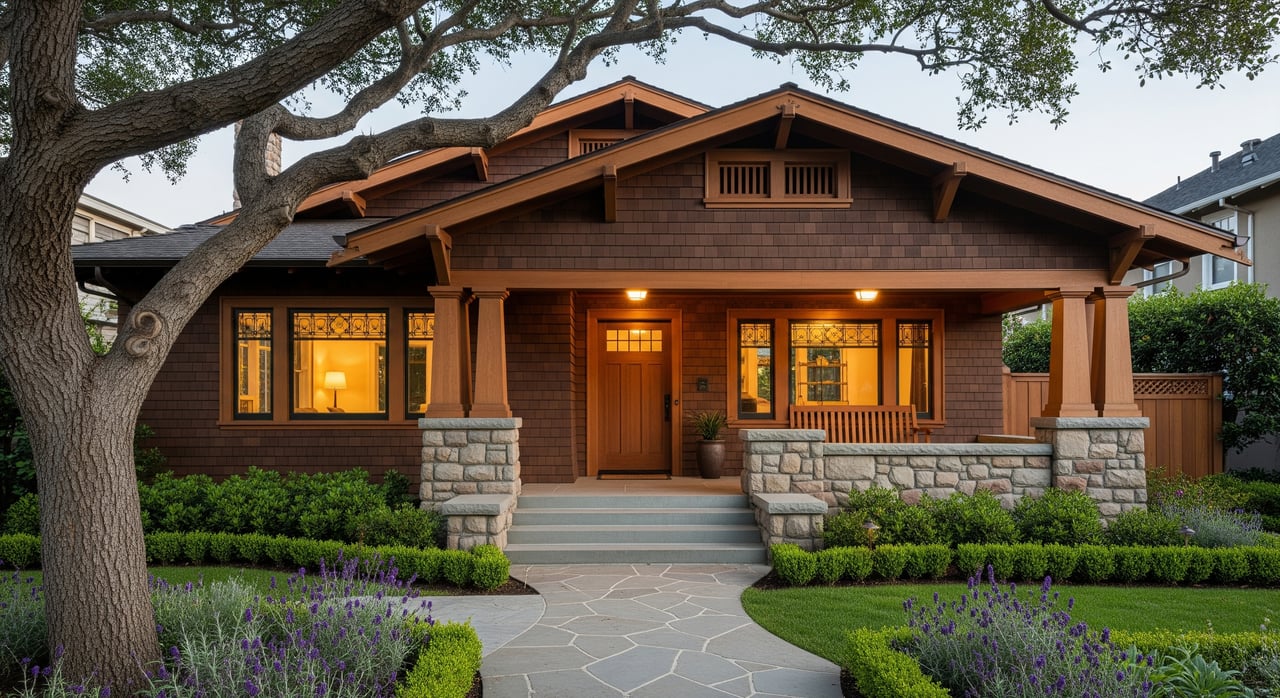
- Low-pitched gabled roof with wide eaves
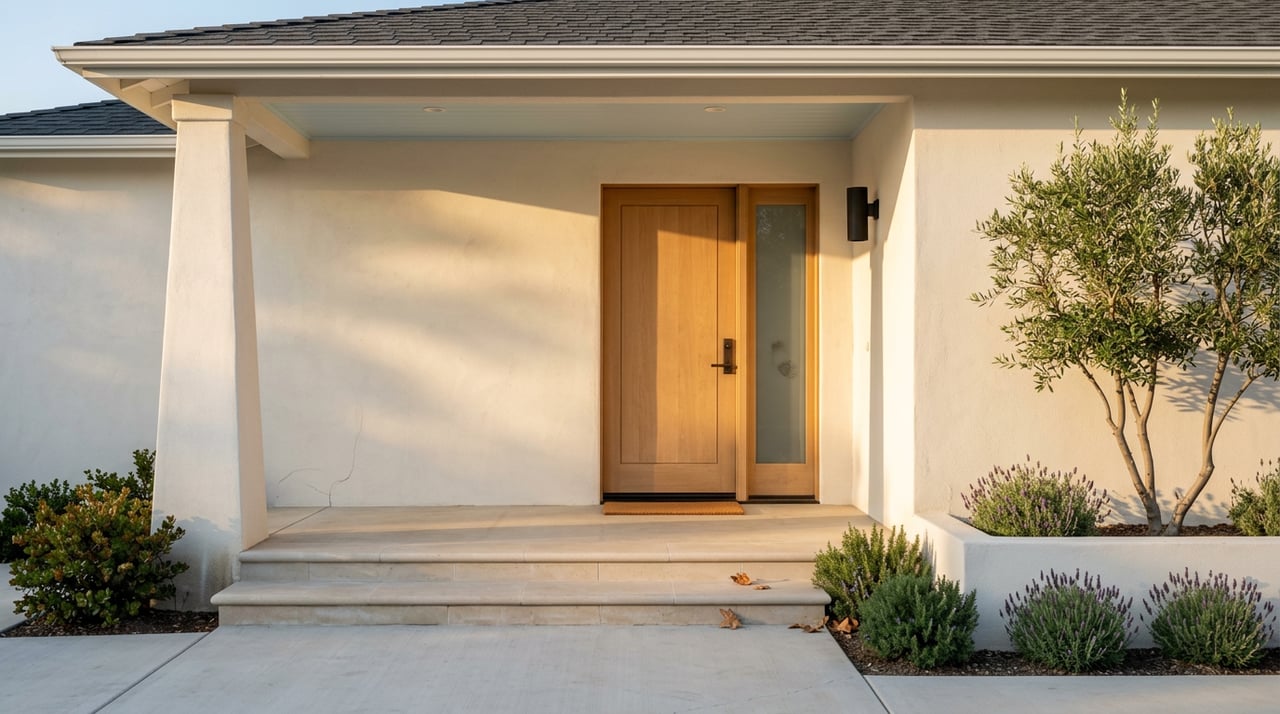
- Tapered porch columns and a generous front porch
- Exposed rafter tails and original shingle or lap siding
High-impact interior elements:
- Built-in cabinetry, inset bookcases, and an inglenook or prominent fireplace
- Wainscoting, boxed beams, and original hardwood floors
- Leaded or stained glass windows, original hardware, and period light fixtures
How preservation affects price:
- Well-preserved or sensitively restored features usually command a premium for authenticity.
- Removal of character elements, like built-ins or original windows, typically reduces appeal.
- Sympathetic updates that retain trim profiles and period materials tend to deliver the best outcomes.
Condition and systems matter:
- Electrical, plumbing, and HVAC should be safe and functional. Knob-and-tube wiring, unreinforced masonry chimneys, and outdated plumbing can shrink the buyer pool and complicate financing.
- Seismic retrofits and roof condition influence marketability and appraisals.
Additions and alterations:
- Permitted, well-integrated additions that respect scale and materials can lift value.
- Unpermitted work or changes that remove defining features may depress price and create lending hurdles.
Build comps with confidence
Use a clear, repeatable process to reach a defensible price range. In a fast-moving market, lean on closed sales from the last 6 to 12 months and cross-check with very recent pendings and actives.
Step 1: Define the product profile
- Document year built, architectural subtype, living area, lot size, bed and bath count, porch and garage, and any ADU or expansion potential.
- List notable period details and the condition of mechanical systems.
- Note micro-location specifics such as distance to downtown and transit, block character, school assignments, and setting or views.
Step 2: Select comparable sales
- Timeframe: Prioritize the last 6 to 12 months, then add pendings and actives to read momentum.
- Geography: Start within the same micro-neighborhood. Expand to adjacent areas only if inventory is thin. In San Mateo, comps within 0.25 to 1 mile are common, depending on neighborhood consistency.
- Physical similarity: Aim for comps within plus or minus 15 to 20 percent of living area and similar lot size and bed and bath counts. Prefer other Craftsman or period homes with visible character.
- Condition and update buckets: Group comps as intact-original, sympathetically updated, or extensively modernized. This makes adjustments more logical.
Step 3: Quantify adjustments
- Adjust for living area, lot usability, bedroom and bathroom count, major system upgrades, permitted additional space or ADUs, parking, and presence or absence of significant period features.
- Adjust upward for intact millwork and built-ins, restored windows, historic designation where buyers value it, and outstanding lot or location traits.
- Adjust downward for missing character elements, unpermitted work, deferred maintenance, lack of parking, noise exposure, or an unusable lot.
- Use local unit rates or paired-sales logic when available to keep adjustments grounded.
Step 4: Read market momentum
- Decide whether to price at market to attract qualified buyers quickly, slightly under to trigger multiple offers, or modestly above for rare, standout properties with comps to support it.
- Factor in seasonal patterns, inventory, and lender trends for older homes.
Step 5: Run sensitivity checks
- Identify comps with special conditions or unpermitted work that could skew value.
- Flag appraisal risk if your pricing leans on future renovations or value from planned additions.
- Present a value range with the drivers for the low, likely, and high outcomes.
Before you list, gather documents for both buyers and the appraiser:
- A packet of permits for past work
- Recent inspections for roof, foundation, pest, electrical, plumbing, and sewer lateral if applicable
- A detail sheet of original and restored features
- Clear photography that shows streetscape and craftsmanship
Pricing strategy that fits
Your lot, updates, and micro-location will guide your approach. Choose the path that matches your timing and risk tolerance.
Lot-related priorities:
- Usable outdoor space often beats raw acreage for value. A flat, private yard that fits dining and play space can drive demand.
- Front porch and curb appeal matter for photos and first impressions. Small repairs and porch refreshes pay off.
- Parking and access are important in commuter areas. Lack of parking can narrow the buyer pool.
Update decisions:
- Targeted restoration usually offers the best return. Refinish original floors, repair millwork, re-glaze windows, and refresh period hardware.
- Big remodels that remove character can shift your buyer audience and reduce the authenticity premium.
- Focus on permitted work and projects that help financing, such as electrical updates, roof repairs, and addressing drainage or foundation issues.
List-price tactics:
- Quick sale: Price at market or slightly under to generate multiple offers when inventory is low.
- Max price with authenticity: Invest in curated restoration, produce standout marketing that highlights period details, and price at or just above market if comps support it.
- Risk-aware: Stay aligned with recent closed comps and avoid counting on speculative premiums.
Marketing and staging tips
You are selling craftsmanship, comfort, and a feeling of place. Marketing should help buyers see and understand the details that matter.
Photography priorities:
- Front exterior that captures porch, columns, roofline, and a cohesive streetscape
- Living room with built-ins, fireplace, and natural light
- Kitchen that balances modern function with any period cabinetry
- Detail shots of stained glass, ceiling beams, wainscoting, hardware, and original floors
- Dusk exteriors to highlight porch lighting and curb appeal
- A measured floor plan and a clean, steady walkthrough video
Staging that respects the home:
- Keep built-ins visible and uncluttered. Do not cover original mantels or trim.
- Choose warm woods, earth tones, and modest-scale furniture that fits room proportions.
- Use neutral, period-appropriate paint colors that photograph well.
- Furnish the porch with simple, welcoming seating.
Listing description guidance:
- Call out verified original or restored features with specifics.
- Note permitted upgrades and recent system work with dates.
- Use evocative but factual language, such as “well-preserved Craftsman with original millwork.”
If you want a turnkey plan, lean on professional photography, high-quality staging, and coordinated vendor work. A team that leverages Compass marketing tools and a vetted vendor network can speed listing readiness without sacrificing authenticity.
Legal, financing, inspections
Paperwork and property condition can make or break a sale for older homes. Prepare early to keep your deal on track.
Disclosures and permits:
- Complete all California-required disclosures and any local forms.
- Verify permits for past renovations, including kitchen, additions, and system updates. Unpermitted work can reduce appraised value or delay closing.
Inspections to prioritize:
- General home and pest or termite inspections
- Roof inspection and chimney evaluation for original chimneys
- Sewer lateral check. San Mateo County programs may require or incentivize repairs, so confirm current rules.
- Foundation or structural review if there are cracks or settlement
- Lead-based paint and asbestos surveys if you plan significant remodeling
Financing, appraisal, and insurance:
- Lenders expect safe, habitable conditions. Outdated systems can limit loan options.
- Appraisers need strong comps for unique historic homes. Provide permits, restoration documentation, and a curated comp set.
- Older roofs, knob-and-tube wiring, and legacy materials can affect insurability. Get quotes early and share findings with buyers.
Incentives and taxes:
- Explore Mills Act contracts and local preservation incentives where available. These can reduce property taxes but come with preservation obligations.
- Speak with a tax professional about capital gains and possible deductions related to restoration.
Key takeaways
- Authentic period details, usable lot space, and a strong micro-location are the main value drivers for San Mateo Craftsman homes.
- Use recent, style-appropriate comps and document everything for buyers and appraisers.
- Invest in targeted restorations, safety and system upgrades, and high-quality marketing that showcases craftsmanship.
- Choose a pricing strategy that matches your goals and current market momentum.
Ready to price or purchase a Craftsman in San Mateo with a clear plan? Connect with the experienced, bilingual team at Wang Tang Group for local comps, staging and photography coordination, and a data-backed strategy. Request a free home valuation.
FAQs
How do San Mateo micro-locations affect a Craftsman’s price?
- Proximity to Caltrain, Downtown San Mateo, parks, and usable lot features can lift value, while noise, steep terrain, or limited parking can reduce buyer demand.
Which Craftsman features add the most value to buyers?
- Intact millwork, built-ins, original hardwood floors, leaded or stained glass, and a welcoming front porch typically stand out and support stronger pricing.
How should I pick comps for a San Mateo Craftsman?
- Prioritize 6 to 12 months of nearby sales with similar style and size, add pendings to gauge momentum, and adjust for lot usability, updates, systems, and preserved details.
Should I restore original features before listing my Craftsman?
- Focus on high-return items like refinishing floors, repairing millwork, re-glazing windows, and addressing safety or system issues that can impact financing and buyer confidence.
What inspections matter most for older Craftsman homes?
- General, pest, roof, chimney, and sewer lateral checks are key. Add foundation, electrical, plumbing, and lead or asbestos reviews based on age and project plans.
Can historic designation help or hurt resale in San Mateo?
- It can do either. Designation can attract authenticity-focused buyers and potential incentives, but it may limit renovation options. Disclose status and obligations early.