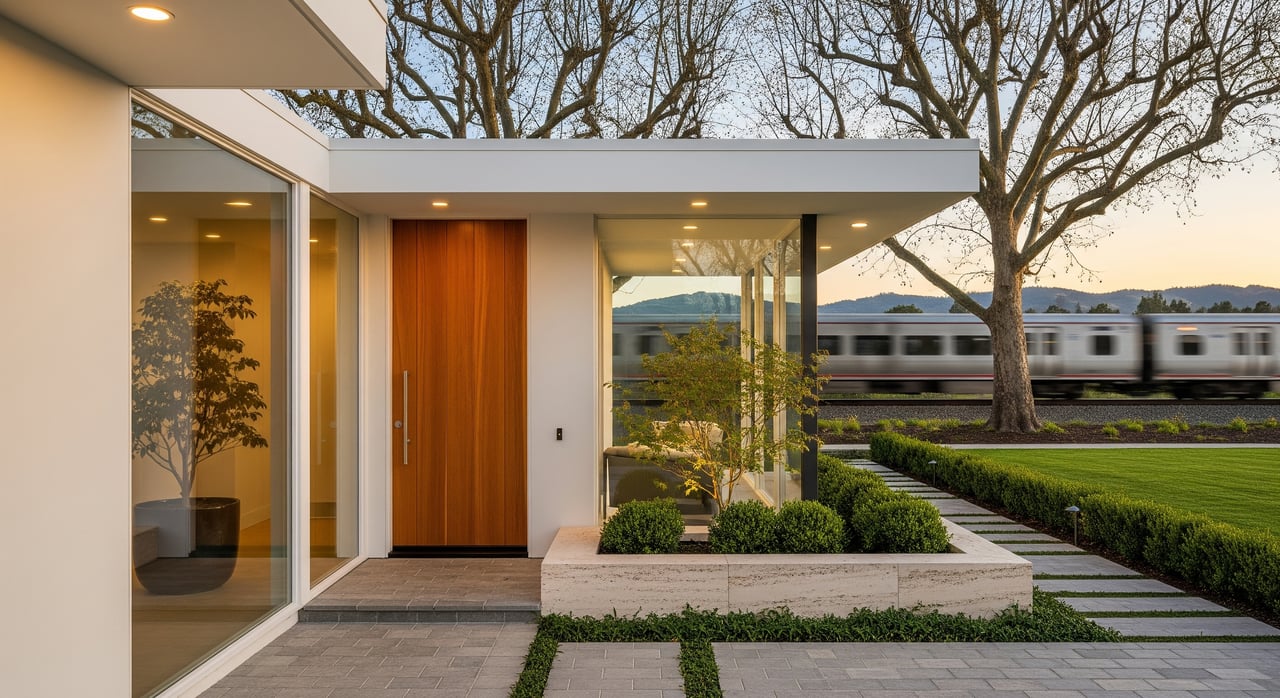
Burlingame Caltrain Neighborhoods Near Broadway Station
Tired of losing time in highway traffic when your office is in San Francisco or Silicon Valley? If you want a transit-first lifestyle without giving up a neighborhood feel, living near Burlingame’s Broadway Caltrain station is worth a close look. You get short rail hops to major job hubs, a walkable local scene, and a clear plan for first and last mile. In this guide, you’ll learn what day-to-day life looks like within a short walk of the station, how to plan realistic door-to-door commutes, and what to watch for when touring homes. Let’s dive in.
Living steps from Caltrain puts key job centers within reach. From the Broadway area, typical rail times to San Francisco, Millbrae for the BART/SFO connection, Redwood City, Palo Alto, and San Jose often fall into manageable ranges. Trains vary by local, limited, and express service, so your time can change by time of day.
You also gain a neighborhood that fits daily life. The Broadway corridor brings small-city charm, with cafés, boutiques, and tree‑lined streets common to central Burlingame. Housing near the station is a mix of single-family homes, duplexes, cottages, and low-rise condos, which gives you options at different price points and upkeep needs.
Before you choose a block, plan around two factors: service frequency and noise. Trains are most frequent at peak hours and loudest close to the tracks. A short walk often balances convenience with quieter nights.
Caltrain travel times depend on whether you catch a local, limited, or express train. Peak periods usually move faster with more options. Off-peak and late evening trains tend to be local and slower. Be sure to check the current timetable and use a real-time planner on your commute days.
Below is a planning table you can use to compare typical rail ranges and estimated door-to-door times from the Broadway station area. These are planning ranges only. Always confirm current schedules and transfers before you ride.
| Destination | Typical rail time (approx.) | Door-to-door (walk + wait + train) | Notes |
|---|---|---|---|
| San Francisco (4th & King, downtown access) | 25–40 min | 35–55 min | Times vary by express vs local and transfer to reach the Financial District |
| Millbrae / SFO connection | 5–12 min | 15–25 min | Short hop, allow time to transfer toward the airport |
| Redwood City | 10–20 min | 25–35 min | Varies by train stops |
| Palo Alto | 20–30 min | 35–50 min | Express trains shorten time |
| San Jose Diridon | 45–70 min | 60–90+ min | Faster with express service during peak |
Example calculation: If you live an 8-minute walk from Broadway station, plan for about a 10-minute average wait during peak, then a 25-minute limited train to San Francisco’s 4th & King. Your door-to-door estimate would be 8 + 10 + 25, or about 43 minutes, plus any last-mile transfer time downtown.
In the immediate station area, you feel the daily rhythm of Caltrain. Expect the platform setting, short blocks, and quick access to cafés or convenience retail. Train noise is most noticeable at this distance, so visit during morning and evening periods to gauge comfort.
About a half-mile out, you reach a sweet spot for many buyers who want transit ease with less direct noise. You’ll find small commercial corridors, grocers, restaurants, and quiet residential streets. The walk remains simple and flat, which makes daily errands realistic on foot.
Within roughly three quarters of a mile to one mile, you get deeper into residential neighborhoods with more housing variety. Parks and schools are within reach, and street noise typically drops. If you favor a quieter street but still want a short train walk, this zone is a strong option.
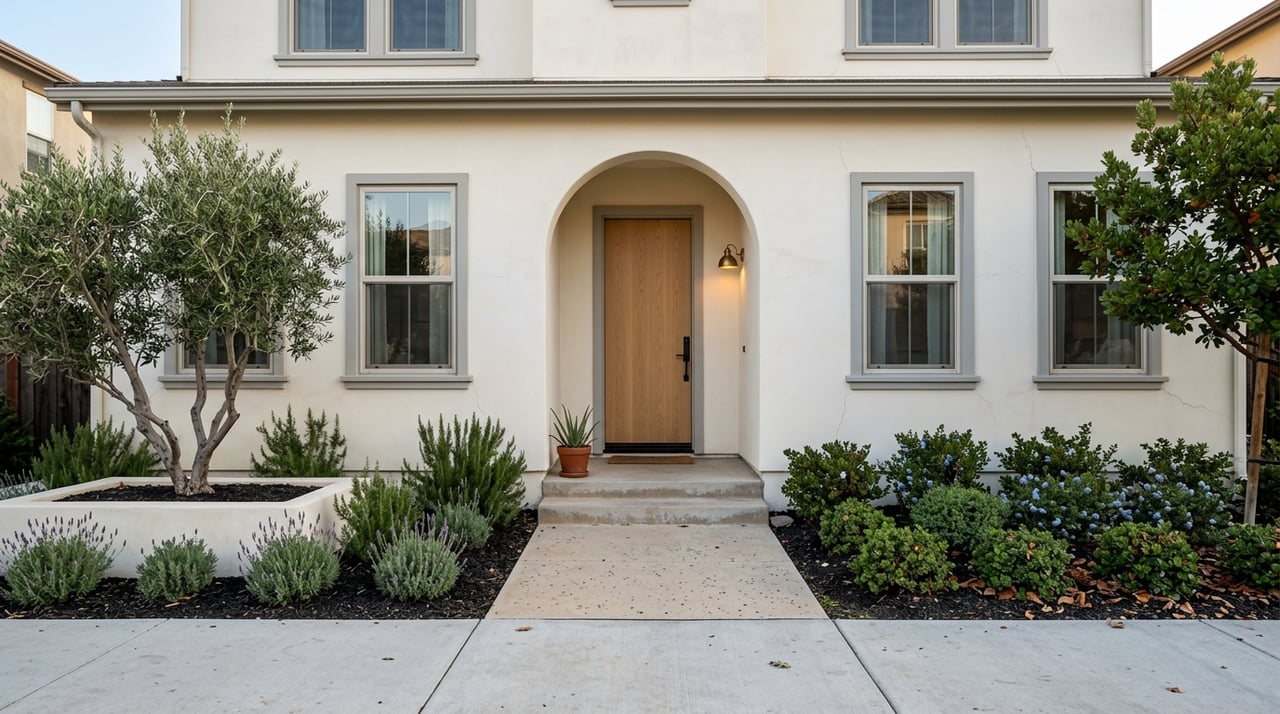
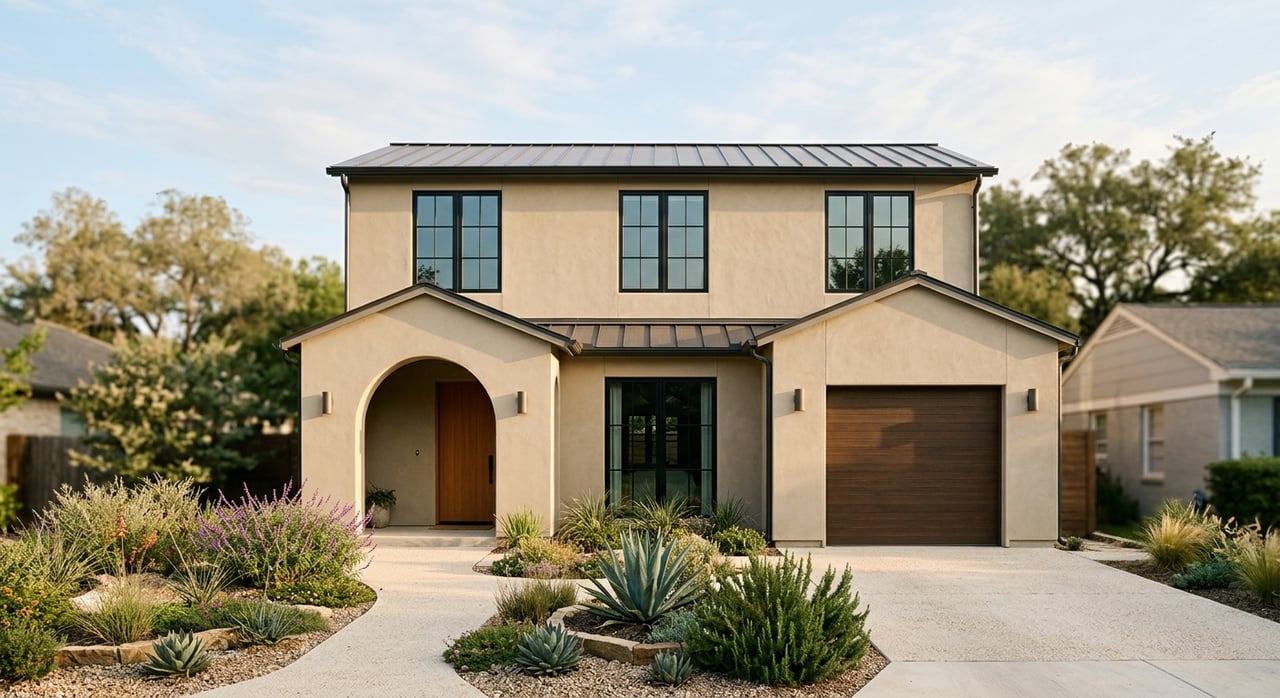
Near Broadway, the housing mix includes older single-family homes, mid-century properties, duplexes, and small multifamily buildings. Density often increases closer to the main streets, while quieter residential pockets appear a few blocks out. Transit-adjacent homes on the Peninsula commonly carry a convenience premium, but the exact price depends on block, condition, and current supply.
For resale, demand tends to be strong for walk-to-transit locations. Buyers still weigh noise, privacy, and parking. If you need a car and plan to rely on Caltrain, explore long-term parking solutions or a hybrid approach with bikes or ride-share.
Use official sources to verify details that change:
If you value a reliable train commute, walkable errands, and a classic Peninsula feel, the Broadway station area in Burlingame delivers a strong balance. You can trim your door-to-door time, keep daily life simple, and still choose among different housing styles and streetscapes. The key is to confirm schedules, listen for noise at different hours, and run a test commute before you write an offer.
When you are ready to explore homes near Broadway Caltrain, we can guide you block by block and manage every detail, from tour strategy to negotiation and closing. Reach out to the Wang Tang Group for a local consultation or to request a free home valuation.

Jenny and Carmen live with their families in the Peninsula and are trusted by hundreds of clients, having successfully closed countless transactions across San Mateo, San Francisco, Santa Clara, and Alameda counties. From property upgrades, inspections, and strategic marketing to finding the best lenders, they guide clients through every step of the real estate journey.

Wang Tang Group
Address
1440 CHAPIN AVE STE 200
BURLINGAME, CA 94010
Jenny Wang | CA DRE# 02063767
Carmen Tang | CA DRE# 01974969