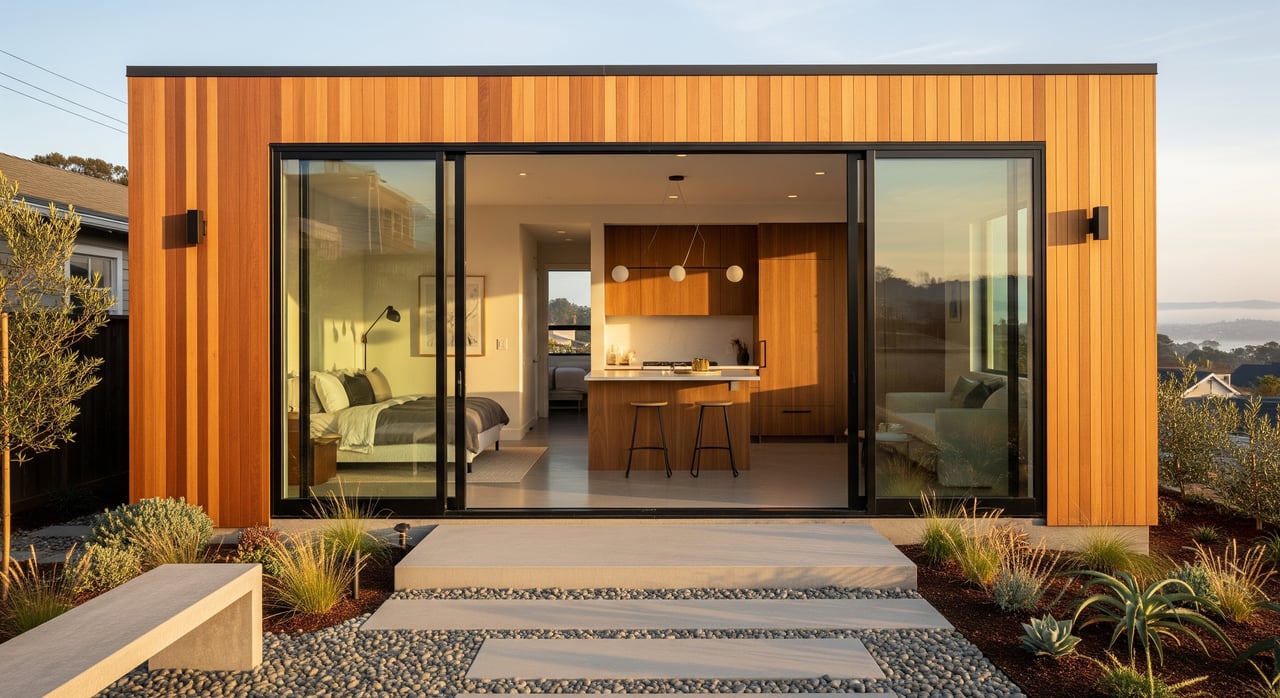
San Bruno ADU Design Guide for High‑Demand Rentals
Thinking about adding an ADU to your San Bruno property to create steady rental income? You’re not alone. Many Peninsula homeowners are exploring compact, high‑function layouts that appeal to long‑term renters without overcomplicating permits or budgets. In this guide, you’ll learn which floor plans lease well in San Bruno, what rules shape your design, how to handle parking and utilities, and practical steps to move forward with confidence. Let’s dive in.
California law makes it easier to build ADUs by limiting many local barriers and requiring streamlined, ministerial review for compliant projects. It also curtails parking requirements in several situations and has guidance on impact fees, especially for smaller ADUs. For a clear, statewide overview, review the California Department of Housing and Community Development’s ADU resources and guidance.
San Bruno implements state rules through its municipal code and planning procedures. Before you finalize a layout, confirm:
These items directly influence what you can build, where it can sit on your lot, and how quickly you can lease it.
A well‑planned studio draws single renters and young professionals looking for Peninsula access. Focus on an open plan that keeps sightlines clear, a full bath, efficient kitchen along one wall, strong natural light, and a stacked washer/dryer in a closet. A small patio or stoop adds outsized value.
This is the broad‑appeal sweet spot for couples and commuters. Pair an open living/kitchen with a true bedroom and closet, in‑unit laundry, and built‑in storage. A linear or L‑shaped kitchen preserves space while delivering full‑size appliances. If you can add a private entry path and a small outdoor area, you increase rentability.
A two‑bed attracts small families or roommates and can command higher rent, though build costs rise and local size caps may limit options. Prioritize two genuine bedrooms with closets, an open living/kitchen, and at least one full bath. If space allows, a second half bath improves livability and leasing strength.
Many Bay Area ADUs go all‑electric for simpler routing and efficient operation. Ductless mini‑split heat pumps provide heating and cooling, and an electric tankless or compact heat pump water heater saves space. Tenants increasingly accept induction cooking and appreciate efficient appliances.
Adding an ADU can trigger an electrical service capacity review. Plan for a possible panel upgrade and decide early whether you want separate electric metering for the ADU or submetering off the main home. Separate meters can simplify tenant billing but may increase upfront costs and timelines.
Local water and sewer rules determine whether you can share existing service or need separate meters and new connections. Some sites require lateral upgrades to meet current standards. Coordinate with San Bruno Public Works and the applicable sewer authority early to understand requirements, capacity fees, and lead times.
Give tenants control over their own systems and keep maintenance simple: in‑unit water heater and HVAC, smart thermostats, clearly labeled shutoffs, and easy access to mechanicals.
State law limits when cities can require off‑street parking for ADUs, especially near transit or when new parking is infeasible. Many Bay Area jurisdictions apply these exemptions. Confirm how San Bruno measures proximity to transit and whether your site qualifies.
Converting an existing garage can be a cost‑effective path to an ADU. Many cities do not require replacement parking for a garage conversion. Verify San Bruno’s current policy before you finalize a plan so you understand any driveway or curb‑cut implications.
Design a short, private path from any parking area to the ADU’s front door. Keep it well lit and clearly marked. Good access supports privacy and improves listing appeal.
Where on‑site parking is tight, offer secure bike storage or a small covered bike area. Add privacy landscaping and sound buffering between the ADU and the main home for a more comfortable rental experience.
San Bruno sits along a strong Peninsula transit corridor served by BART, Caltrain, and local buses. Map exact walking distances from your property to transit stops so you can both validate any applicable parking waivers and highlight commute convenience in your listing copy.
If your ADU meets objective standards, you can often expect ministerial review. Timelines vary by plan completeness and utility needs, typically ranging from several weeks to a few months. Pre‑application conversations with San Bruno planning staff reduce surprises and help you sequence utilities, permits, and construction.
Expect plan check and building permit fees, possible school and park fees, transportation impact fees, and water/sewer connection or capacity fees. Utility service upgrades and new meters can add cost and time. State guidance often reduces or waives certain impact fees for smaller ADUs, commonly discussed around the 750 sq ft range, but you should verify the current San Bruno policy before committing to a size.
Garage conversions are usually the most cost‑effective path to a rentable ADU. Higher‑finish materials and extras like private patios can boost rent, but focus first on the features renters value most: privacy, in‑unit laundry, functional storage, and reliable climate control. Benchmark local rents for similar unit sizes to set realistic expectations for payback.
Ready to talk through how an ADU could impact your rental strategy and long‑term home value in San Mateo County? Our team can share local market insights and practical next steps tailored to your address. Request a free home valuation and a quick ADU design consult intro by reaching out to Unknown Company.
Jenny and Carmen live with their families in the Peninsula and are trusted by hundreds of clients, having successfully closed countless transactions across San Mateo, San Francisco, Santa Clara, and Alameda counties. From property upgrades, inspections, and strategic marketing to finding the best lenders, they guide clients through every step of the real estate journey.
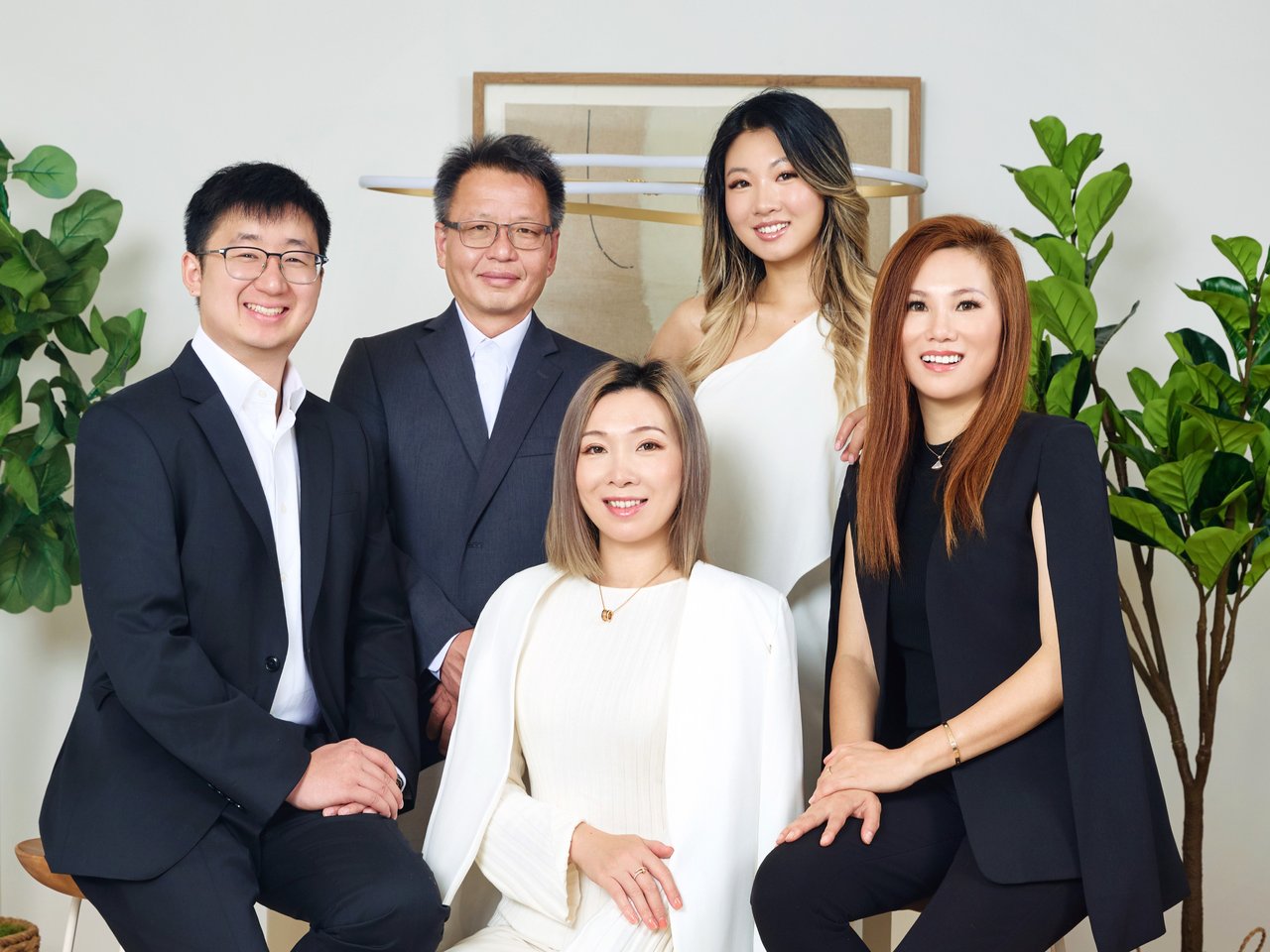
Wang Tang Group
Address
1440 CHAPIN AVE STE 200
BURLINGAME, CA 94010
Jenny Wang | CA DRE# 02063767
Carmen Tang | CA DRE# 01974969